Russia-Ukraine war escalation disrupts Black Sea shipping routes
GK and monthly revision
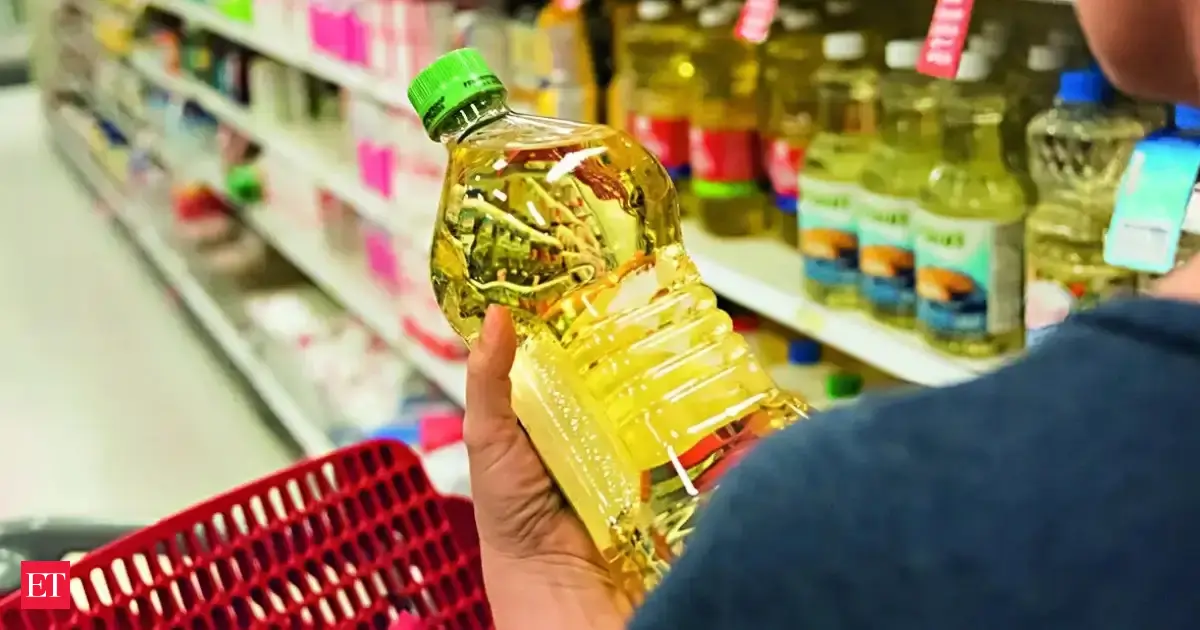
Russia-Ukraine war likely to raise import price of sunflower oil, yellow peas
The ongoing Russia-Ukraine conflict has intensified in the Black Sea region, disrupting critical shipping routes and reducing exports of sunflower oil and yellow peas. India, a major importer of both commodities, faces rising import costs and potential supply shortages. This development impacts food inflation, edible oil security, and agricultural trade policy — key topics for economy and current affairs sections in competitive exams.
Revision structure
Monthly events and exam calendar context
Static GK and one-liner notes
Quiz and mock-test revision path
Key points
Exam-ready takeaways
India imports over 70% of its sunflower oil from Russia and Ukraine
Yellow peas imports from the region face supply constraints due to port blockades
Rising import costs may increase domestic edible oil and pulse prices
Government may review import duties or explore alternative suppliers like Argentina and Canada
Detailed analysis
Full exam-oriented breakdown
The escalation of the Russia-Ukraine war in 2024 has sent fresh shockwaves through global commodity markets, particularly impacting India's edible oil and pulse import basket. To understand why this matters, we must first appreciate the historical context: since the conflict began in February 2022, the Black Sea has transformed from a bustling trade corridor into a contested maritime zone. Russia and Ukraine together account for nearly 75% of global sunflower oil exports, with Ukraine alone supplying over 50% before the war. For India, which imports over 70% of its sunflower oil from these two nations — approximately 1.5-2 million tonnes annually — any disruption translates directly into kitchen-table inflation. The current escalation involves intensified Russian attacks on Ukrainian port infrastructure, particularly in Odesa and Chornomorsk, and the collapse of the Black Sea Grain Initiative in July 2023 after Russia withdrew, citing unmet demands on its own agricultural exports. Since then, Ukraine has established a "humanitarian corridor" hugging the coasts of Romania, Bulgaria, and Turkey, but shipping remains risky and insurance premiums have skyrocketed. Freight rates for Black Sea routes have surged 40-60% since early 2024, directly raising landed costs in Indian ports like Kandla, Mundra, and Krishnapatnam. Key stakeholders include the Union Ministry of Consumer Affairs, Food and Public Distribution, which monitors edible oil prices under the Essential Commodities Act, 1955; the Department of Commerce, which negotiates trade agreements; and the Food Corporation of India (FCI), which manages buffer stocks. On the global stage, the UN and Turkey mediated the original grain deal, while the WTO's Agreement on Agriculture governs trade-distorting subsidies that affect global supply. India's diplomatic balancing act — maintaining defence ties with Russia (S-400 systems, joint BrahMos production) while engaging the West on technology and trade — adds geopolitical complexity. For India, the significance is multi-dimensional. Economically, edible oils constitute the second-largest import category after crude oil, with a $20+ billion annual bill. A 10-15% price rise in sunflower oil could add ₹3,000-5,000 crore to the import bill, worsening the current account deficit. Socially, rising prices of cooking oil and yellow peas (a key protein source for low-income households and used in besan, snacks, and mid-day meals) threaten nutritional security — a concern under Article 47 (Directive Principle on nutrition and public health). Politically, food inflation influences electoral outcomes, as seen in state elections where onion and tomato prices became campaign issues. Constitutionally, while agriculture is a State subject (List II, Entry 14), inter-state trade and commerce falls under Union control (Article 301), and the Centre uses the Essential Commodities Act to regulate stock limits and prices. The Price Stabilization Fund (PSF) and Market Intervention Scheme (MIS) are policy tools deployed during supply shocks. India has also reduced import duties on crude sunflower oil to zero (from 7.5%) until March 2025, a move extended twice since 2021. Broader themes include India's push for "Atmanirbharta in edible oils" through the National Mission on Edible Oils – Oil Palm (NMEO-OP, 2021), targeting 10 lakh hectares by 2025-26, and diversification toward Argentina, Canada, and Australia for yellow peas. However, domestic production meets only 40% of edible oil demand, making imports inevitable in the near term. Future implications hinge on three scenarios: (1) prolonged conflict keeps Black Sea logistics costly, accelerating India's shift to South American and Canadian suppliers; (2) a renewed grain corridor agreement eases flows but requires Russian cooperation; (3) climate events (El Niño, droughts in Canada/Argentina) compound supply risks. For aspirants, this case study beautifully links international relations, trade policy, inflation management, and constitutional federalism — a quintessential UPSC/SSC economy-current affairs crossover.
How to study
Turn news into exam marks
Revise monthly events by exam family instead of reading random updates.
Pair one-liners with mock tests so mistakes become the next revision list.
Keep state job pages, calendar pages and GK packs connected in one path.