

The warning regarding ethanol's impact on crop priorities was flagged by the 'Economic Survey 2026'.
GK and monthly revision
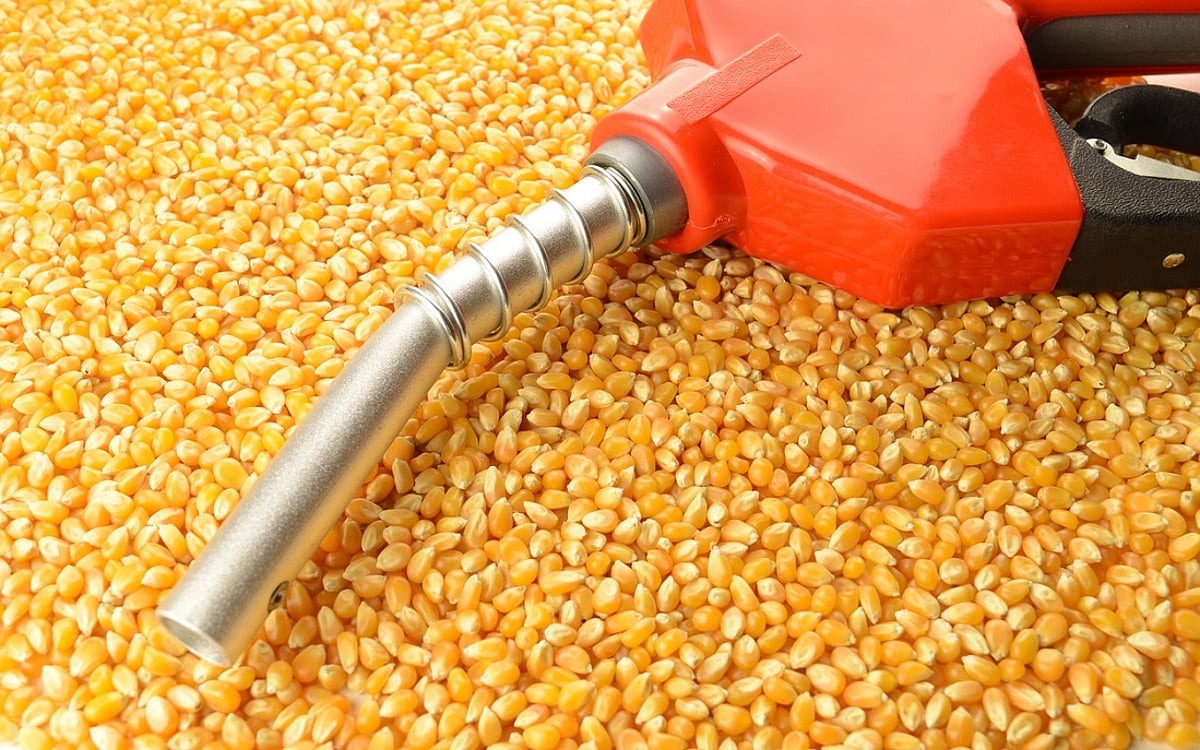
Fuel over food? Economic Survey 2026 flags early warning signs of ethanol reshaping crop priorities
The Economic Survey 2026 has issued an early warning regarding ethanol production's impact on India's agricultural landscape. It highlights a potential conflict where ethanol reshaping crop priorities could lead to increased dependence on edible oil imports and heightened food price volatility. This situation poses a critical challenge to India's twin goals of achieving both energy and food self-reliance, making it a significant topic for economic policy analysis in competitive exams.
Revision structure
Monthly events and exam calendar context
Static GK and one-liner notes
Quiz and mock-test revision path
Key points
Exam-ready takeaways
The document highlights 'early warning signs' of 'ethanol reshaping crop priorities'.
A key concern raised is the potential for 'increased dependence on edible oil imports'.
The Survey also warns of impending 'food price volatility' due to these shifts.
The core issue identified is a 'conflict between energy and food self-reliance' for India.
Detailed analysis
Full exam-oriented breakdown
The Economic Survey 2026's warning about ethanol production reshaping crop priorities strikes at the heart of India's dual pursuit of energy and food self-reliance. This comprehensive analysis delves into the intricate balance India must maintain between these critical national objectives. **Background: India's Ethanol Blending Journey and its Ambitions** India's Ethanol Blending Program (EBP) is a strategic initiative aimed at reducing the country's colossal crude oil import bill, enhancing energy security, and promoting a cleaner environment. Launched in a more focused manner in 2003, and significantly accelerated under the National Policy on Biofuels (2018, subsequently amended in 2022), the program set an ambitious target of achieving 20% ethanol blending (E20) in petrol by 2025, advanced from the earlier 2030 deadline. The primary feedstocks for ethanol production in India have traditionally been sugarcane molasses, and increasingly, surplus rice and maize, especially from Food Corporation of India (FCI) stocks. The government also aims to boost farmers' incomes by providing an alternative market for their produce, particularly for sugarcane and surplus food grains. This policy has seen considerable success, with blending percentages steadily rising, contributing to significant foreign exchange savings and a reduction in carbon emissions. **The Alarming Signal from Economic Survey 2026** The 'Economic Survey 2026' has, however, flagged 'early warning signs' that this rapid expansion of ethanol production is 'reshaping crop priorities' in a manner that could have adverse consequences. The core concern is a potential 'conflict between energy and food self-reliance'. Specifically, the Survey highlights two major risks: 'increased dependence on edible oil imports' and heightened 'food price volatility'. This suggests that farmers, incentivized by stable procurement prices for ethanol feedstocks, might be shifting away from cultivating essential food crops, particularly oilseeds, which are crucial for domestic edible oil production. India already imports a significant portion (over 60%) of its edible oil requirements, making it highly vulnerable to global price fluctuations and supply chain disruptions. **Key Stakeholders and Their Roles** Multiple stakeholders are intricately involved in this complex scenario. The **Government of India**, through various ministries like the Ministry of Petroleum and Natural Gas (driving EBP), Ministry of Agriculture & Farmers' Welfare (crop patterns, food security), and Ministry of Consumer Affairs, Food & Public Distribution (managing food prices and supply), is at the helm of policy formulation and implementation. **Farmers** are crucial, as their cropping decisions directly influence the food-fuel balance. Attractive procurement prices for ethanol feedstocks can sway them towards these crops. **Sugar mills and distilleries** are the primary producers of ethanol, benefiting from government incentives and assured demand from Oil Marketing Companies (OMCs). **Oil Marketing Companies (OMCs)** are responsible for blending ethanol with petrol. Finally, **consumers** bear the direct impact of any food price volatility or shortages, especially concerning essential commodities like edible oils. **Significance for India: A Multi-faceted Challenge** This issue holds profound significance for India. From an **economic perspective**, while reduced crude oil imports save foreign exchange, increased edible oil imports could negate these benefits, impacting the trade balance. More critically, the diversion of food grains or land from food to fuel production directly threatens **food security**, especially for a country with a large population and persistent nutritional challenges. The warning of 'food price volatility' is a major concern, as rising food prices disproportionately affect the poor and can fuel inflation, impacting macroeconomic stability. Historically, India has struggled with self-sufficiency in edible oils, launching initiatives like the National Mission on Edible Oils – Oil Palm (NMEO-OP) to boost domestic production. The current trend could undermine such efforts. Furthermore, the focus on water-intensive crops like sugarcane for ethanol raises concerns about **water security** in many regions. **Policy Framework and Constitutional Underpinnings** The government's push for biofuels is enshrined in the **National Policy on Biofuels (2018, amended 2022)**, which provides the framework for ethanol production and blending. However, this policy must be balanced with the constitutional mandate for welfare. The **Directive Principles of State Policy (DPSP)**, particularly **Article 47**, enjoins the State to raise the level of nutrition and the standard of living of its people and improve public health, which implicitly links to ensuring food security. The **National Food Security Act, 2013**, legally entitles a significant portion of the population to food grains, underscoring the government's commitment to food security. The **Essential Commodities Act, 1955**, also plays a role in managing supply and prices of essential goods. Any policy that compromises food availability or affordability could potentially conflict with these foundational principles and legal obligations. **Future Implications and Way Forward** The Economic Survey's warning necessitates a careful re-evaluation of India's biofuel strategy. Future implications include a potential trade-off between achieving energy targets and maintaining food security if current trends continue unchecked. To mitigate these risks, India needs a more balanced and diversified approach. This could involve: (1) **Diversifying feedstock for ethanol production** to include more non-food sources like cellulosic biomass (agricultural waste), provided the technology becomes economically viable. (2) **Promoting advanced biofuels**. (3) **Enhancing agricultural productivity** through research and better farming practices to ensure both food and fuel demands can be met from the same land area. (4) **Strategic land-use planning** to prevent the displacement of critical food crops, especially oilseeds. (5) **Policy incentives** that encourage cultivation of both food and fuel crops without creating an artificial scarcity in either. The goal should be to achieve energy transition without compromising the fundamental right to food. In conclusion, the Economic Survey 2026's alert is a timely reminder that while pursuing energy independence is vital, it cannot come at the cost of food security. Striking the right balance through intelligent policy design and execution will be crucial for India's sustainable development.
How to study
Turn news into exam marks
Revise monthly events by exam family instead of reading random updates.
Pair one-liners with mock tests so mistakes become the next revision list.
Keep state job pages, calendar pages and GK packs connected in one path.