

A 'new nuclear law' has been introduced in India.
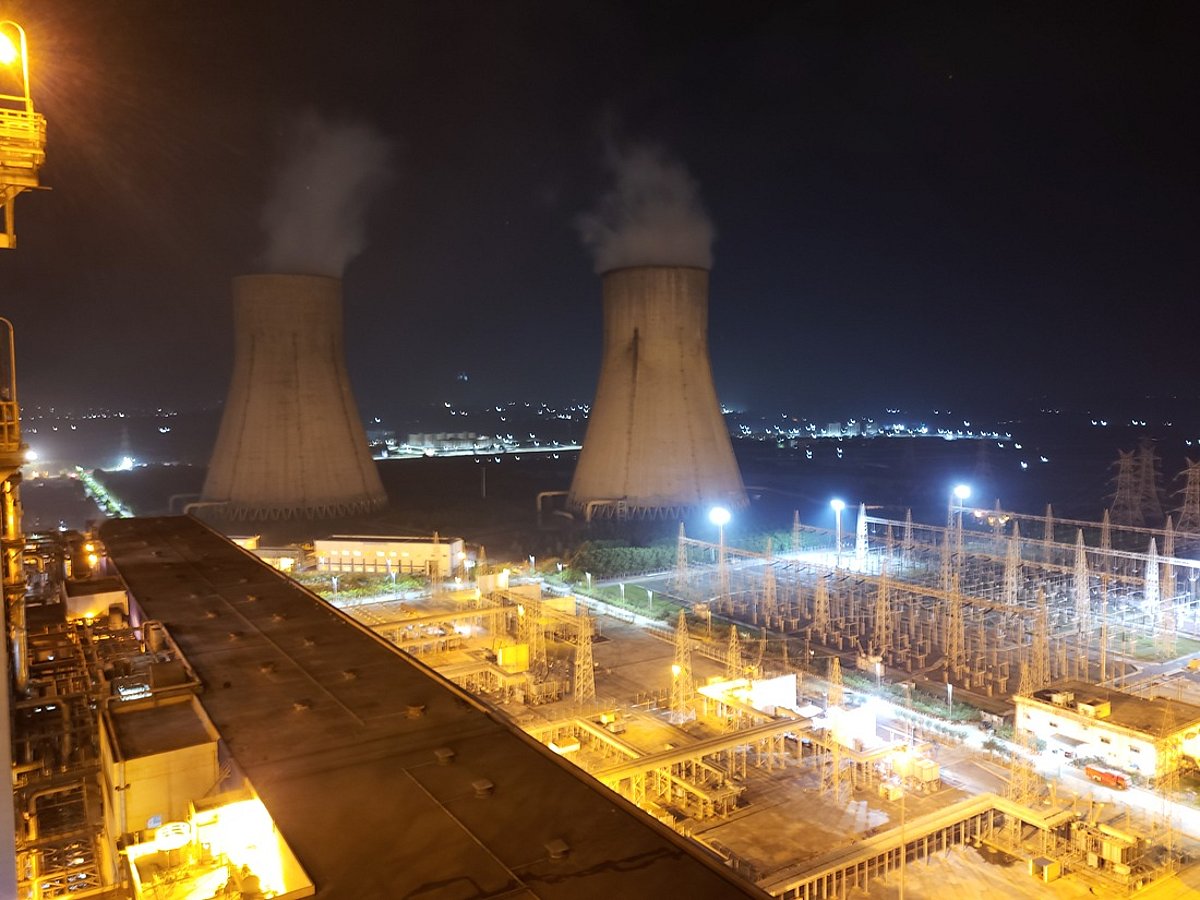
GK and monthly revision
New nuclear law rewrites liability rules, opens private investment as India bets on atomic power for clean energy transition
A new nuclear law in India is set to rewrite liability rules and open the atomic power sector to private investment. This legislative change signifies a major policy shift, repositioning nuclear power from a tightly guarded strategic domain to a regulated clean-energy option. It is crucial for India's clean energy transition goals, making it highly relevant for competitive exams focusing on energy policy, science & technology, and economic reforms.
Revision structure
Monthly events and exam calendar context
Static GK and one-liner notes
Quiz and mock-test revision path
Key points
Exam-ready takeaways
The legislation rewrites the existing liability rules concerning nuclear power.
This new law aims to open the nuclear energy sector to private investment.
It repositions nuclear power from a 'tightly guarded strategic domain' to a 'regulated clean-energy option'.
India is betting on atomic power as a key component for its 'clean energy transition'.
Detailed analysis
Full exam-oriented breakdown
India, a rapidly developing nation with soaring energy demands and ambitious climate goals, is embarking on a significant policy shift in its nuclear energy sector. The recent legislative developments, signaled by a 'new nuclear law' (likely a series of amendments and policy directives), aim to rewrite liability rules and open the atomic power domain to private investment. This move repositions nuclear power from a tightly guarded strategic domain, traditionally reserved for the state, to a regulated clean-energy option, crucial for India's clean energy transition. Historically, India's nuclear program has been a cornerstone of its strategic autonomy and energy security, initiated by visionaries like Homi J. Bhabha in the post-independence era. Governed primarily by the Atomic Energy Act of 1962, the entire lifecycle of nuclear power, from fuel cycle to plant operation, has been under the exclusive control of the Department of Atomic Energy (DAE) and its public sector undertaking, Nuclear Power Corporation of India Limited (NPCIL). This strategic control was reinforced by international sanctions following India's nuclear tests, particularly Pokhran-I in 1974 and Pokhran-II in 1998, which forced India to develop indigenous capabilities. The Indo-US Civilian Nuclear Agreement in 2008 marked a turning point, ending India's nuclear isolation and opening avenues for international cooperation and technology transfer, albeit with lingering concerns over liability. The critical impediment to private and international investment in India's nuclear sector has been the Civil Liability for Nuclear Damage Act (CLNDA), 2010. Enacted in the aftermath of the Bhopal Gas Tragedy and incorporating lessons from international conventions, the CLNDA made the operator (NPCIL) primarily liable for nuclear damage. However, its controversial Section 17(b) allowed the operator to seek recourse from suppliers in case of equipment defects or sub-standard services. This 'supplier liability' clause was a major deterrent for both domestic private companies and international nuclear vendors, who feared open-ended financial exposure. The 'new nuclear law' or policy changes aim to address these concerns by clarifying or substantially altering this liability framework, thereby making investment more attractive. Key stakeholders in this evolving landscape include the Government of India, particularly the Department of Atomic Energy (DAE), which sets policy; NPCIL, the current sole operator; the Atomic Energy Regulatory Board (AERB), responsible for safety; and crucially, private Indian companies. These private entities are now being encouraged not just as suppliers of components but as potential investors in new projects, possibly through joint ventures or build-own-operate models. International nuclear suppliers, who have long eyed the Indian market, also stand to benefit from a clearer, more predictable liability regime. The overarching goal is to significantly scale up India's nuclear power capacity, which currently stands at around 7,480 MW from 22 reactors, to a target of 22,480 MW by 2031. This policy shift holds immense significance for India. Economically, it promises to unlock substantial private capital for a highly capital-intensive sector, reducing the burden on public finances. It aligns with the 'Make in India' initiative by fostering a robust domestic nuclear manufacturing ecosystem, creating jobs, and boosting technological capabilities. Environmentally, nuclear power is a vital component of India's commitment to clean energy transition and achieving its Nationally Determined Contributions (NDCs) under the Paris Agreement, including the ambitious target of Net Zero emissions by 2070, announced at COP26. Nuclear energy provides stable, baseload power, complementing intermittent renewables like solar and wind, thereby enhancing grid stability and energy security. From a constitutional and legal perspective, while the Atomic Energy Act, 1962, remains the foundational legislation, the changes are primarily focused on amending or reinterpreting provisions within the CLNDA, 2010, to create a more investor-friendly environment. Environmental clearances for nuclear projects are governed by the Environment (Protection) Act, 1986. The broader policy aligns with Directive Principles of State Policy, particularly Article 48A, which directs the state to endeavor to protect and improve the environment. The push for private investment also reflects broader economic reforms aimed at liberalizing key sectors. The future implications are profound. A clearer liability regime could accelerate the construction of new reactors, potentially including advanced technologies like Small Modular Reactors (SMRs), which are easier to deploy and finance. It could also spur greater indigenous research and development, making India a global player in nuclear technology. Challenges remain, including public perception regarding nuclear safety (especially post-Fukushima), the complexities of land acquisition for large projects, and the long-term management of nuclear waste. However, by repositioning atomic power as a clean energy solution and inviting private sector participation, India is making a strategic bet to secure its energy future and meet its climate obligations, moving towards a diversified and sustainable energy mix.
How to study
Turn news into exam marks
Revise monthly events by exam family instead of reading random updates.
Pair one-liners with mock tests so mistakes become the next revision list.
Keep state job pages, calendar pages and GK packs connected in one path.