

ByteDance and TikTok signed binding agreements for the sale of TikTok's U.S. unit.
GK and monthly revision
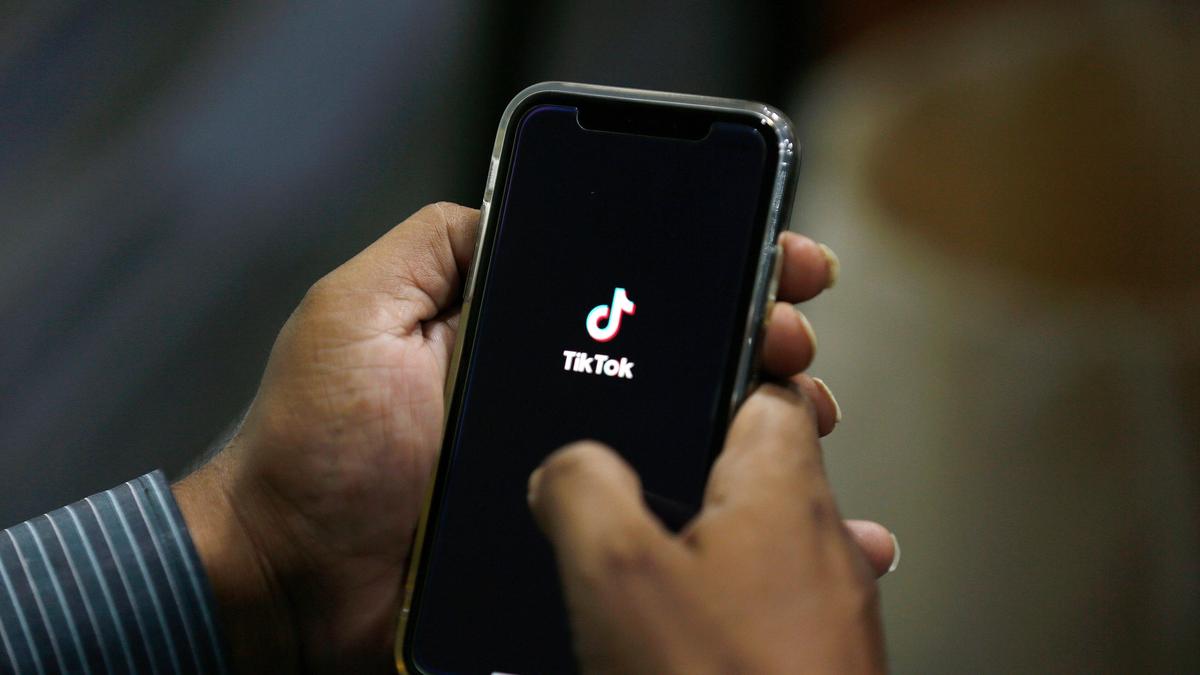
TikTok signs deal to sell U.S. unit to American investors, including Oracle, Silver Lake
ByteDance and TikTok have signed binding agreements to sell TikTok's U.S. unit to American investors, including Oracle and Silver Lake. This move aims to address U.S. national security concerns regarding data privacy and foreign ownership of the popular social media platform. The deal is significant for competitive exams as it highlights major international business transactions, geopolitical influences on tech companies, and key players in the global digital economy.
Revision structure
Monthly events and exam calendar context
Static GK and one-liner notes
Quiz and mock-test revision path
Key points
Exam-ready takeaways
The deal involves the sale of TikTok's operations specifically within the United States.
Key American investors involved in the acquisition include Oracle and Silver Lake.
TikTok CEO Shou Zi Chew confirmed that these binding agreements have been signed.
The agreements were signed with a total of three investors, as stated by CEO Shou Zi Chew.
Detailed analysis
Full exam-oriented breakdown
The proposed sale of TikTok's U.S. unit to American investors, including Oracle and Silver Lake, marked a pivotal moment in the escalating tech-geopolitical tensions, particularly between the United States and China. To truly grasp its significance for competitive exams, we must delve into the intricate layers of background, stakeholders, and broader implications. **Background Context and What Happened:** TikTok, owned by the Chinese company ByteDance, rapidly rose to become one of the most popular social media platforms globally, especially among younger demographics. Its success, however, also drew intense scrutiny from the U.S. government, primarily under the Trump administration. The core concern revolved around data privacy and national security: fears that the Chinese government could compel ByteDance to share U.S. user data, potentially compromising national security or allowing for surveillance and propaganda. This concern was amplified by China's National Intelligence Law of 2017, which mandates that Chinese organizations and citizens support and cooperate with national intelligence efforts. Consequently, in August 2020, then-President Donald Trump issued executive orders threatening to ban TikTok's operations in the U.S. if it wasn't sold to an American entity. This forced sale was presented as a necessary measure to protect American data and national interests. The deal, confirmed by TikTok CEO Shou Zi Chew, involved ByteDance and TikTok signing binding agreements to sell TikTok's U.S. operations to a consortium of American investors, notably Oracle and Silver Lake, among three total investors. **Key Stakeholders Involved:** 1. **ByteDance/TikTok:** The Chinese parent company and its global short-video platform found themselves caught in the crosshairs of a geopolitical standoff. For them, the deal was a strategic move to preserve access to a critical market with over 100 million U.S. users, albeit at the cost of relinquishing control over a significant part of their operations. 2. **U.S. Government (Trump Administration):** The primary driver behind the forced sale, driven by national security concerns, data privacy worries, and a broader strategy to curb China's technological influence. The Committee on Foreign Investment in the United States (CFIUS) played a crucial advisory role in reviewing the national security implications of the deal. 3. **American Investors (Oracle, Silver Lake):** These tech and private equity giants saw an opportunity to acquire a highly valuable and rapidly growing asset. Oracle, a major software company, aimed to become TikTok's trusted technology partner, potentially hosting all U.S. user data in its cloud infrastructure, thereby addressing data security concerns. Silver Lake, a private equity firm, sought a significant investment opportunity. 4. **U.S. Users:** Millions of American users faced the prospect of losing access to a platform integral to their digital lives, making them indirect but significant stakeholders in the outcome of these negotiations. **Significance for India:** This episode holds immense significance for India, which had already taken decisive action against TikTok and numerous other Chinese apps. In June 2020, citing similar national security and data privacy concerns, the Indian government banned TikTok and 58 other Chinese mobile applications under Section 69A of the Information Technology Act, 2000. This section empowers the Central Government to block public access to any information through any computer resource in the interest of the sovereignty and integrity of India, defence of India, security of the State, friendly relations with foreign States or public order or for preventing incitement to the commission of any cognizable offence relating to above. The U.S. action therefore validated India's proactive stance and highlighted a convergence of concerns between two major democracies regarding China's digital footprint. For India, this reinforces the importance of data sovereignty and cybersecurity, aligning with the 'Atmanirbhar Bharat' (self-reliant India) initiative's push for indigenous digital solutions and a robust domestic tech ecosystem. It also demonstrated that national security considerations can override globalized economic interests, setting a precedent for future regulatory actions. **Historical Context and Future Implications:** The TikTok saga is not an isolated incident but part of a broader 'tech cold war' or 'splinternet' phenomenon, where the global internet fragments along geopolitical lines. Historically, China has maintained its 'Great Firewall' to control internet access and content within its borders, blocking numerous foreign platforms. The U.S. action against TikTok represents a counter-move, driven by similar concerns about foreign influence and data security, but from a different ideological standpoint. Other nations, including those in the European Union, have also been grappling with data privacy regulations like GDPR, impacting how global tech companies operate. The future implications are profound: it signals a potential shift towards greater national control over digital infrastructure and data. Global tech companies may face increasing pressure to localize data, comply with diverse national regulations, and even consider local ownership structures in different markets. This could lead to increased operational complexities, higher costs, and potentially stifle global innovation. It also underscores the growing importance of cybersecurity and data governance as critical components of national security and foreign policy in the 21st century. The incident underscores that economic interdependence, particularly in the digital sphere, is increasingly being viewed through a geopolitical lens, leading to a more fragmented and regulated global digital economy.
How to study
Turn news into exam marks
Revise monthly events by exam family instead of reading random updates.
Pair one-liners with mock tests so mistakes become the next revision list.
Keep state job pages, calendar pages and GK packs connected in one path.