

The study focuses on the empowerment of women in the state of Bihar.
GK and monthly revision
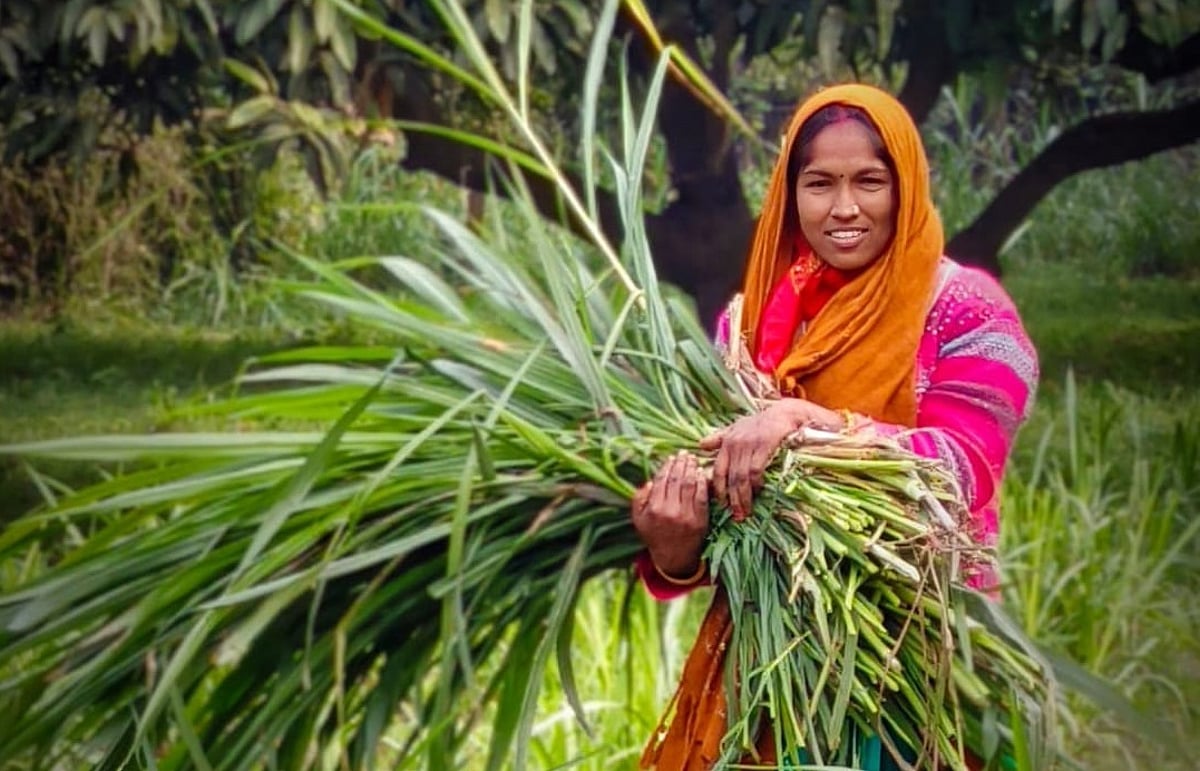
Women in Bihar are transitioning from programme participants to co-creators of rural value chains, study shows
A study reveals that women in Bihar are evolving from mere participants to active co-creators within rural value chains. This transition signifies a deeper empowerment, as the study measures changes beyond just income, encompassing crucial aspects like confidence, leadership, agency, and social capital. This development is significant for competitive exams, highlighting progress in women's empowerment and rural development initiatives, particularly in social indicators.
Revision structure
Monthly events and exam calendar context
Static GK and one-liner notes
Quiz and mock-test revision path
Key points
Exam-ready takeaways
Women are transitioning from 'programme participants' to 'co-creators' in rural value chains.
The research measures dimensions of change that extend beyond traditional income metrics.
Key non-income dimensions measured include confidence, leadership, agency, and social capital.
The initiative aims to integrate women more deeply into the economic and social fabric of rural areas.
Detailed analysis
Full exam-oriented breakdown
The recent study highlighting the transition of women in Bihar from mere programme participants to active co-creators in rural value chains signifies a profound shift in India's approach to women's empowerment and rural development. This development is not merely about economic upliftment but encompasses a holistic transformation, measuring crucial non-income dimensions such as confidence, leadership, agency, and social capital. **Background Context and Historical Evolution:** Historically, rural women in India, particularly in states like Bihar, have faced multi-faceted challenges including low literacy rates, limited access to resources, deeply entrenched patriarchal norms, and minimal participation in economic decision-making. Development interventions often treated women as beneficiaries, focusing primarily on welfare rather than empowerment. The shift began with the recognition that sustainable development requires women's active participation and leadership. The Self-Help Group (SHG) movement, gaining significant momentum since the 1990s, became a crucial vehicle for this change. SHGs provided a platform for women to pool savings, access micro-credit, and collectively address social issues, thereby fostering a sense of community and collective agency. Government initiatives, notably the Swarnajayanti Gram Swarozgar Yojana (SGSY) in 1999, and later its revamped version, the National Rural Livelihoods Mission (NRLM) in 2011 (renamed Deendayal Antyodaya Yojana – NRLM in 2015), played a pivotal role in institutionalizing and scaling up the SHG model across the country. In Bihar, the Bihar Rural Livelihoods Project, popularly known as JEEViKA, has been instrumental in implementing NRLM, empowering millions of rural women. **The Transition to Co-Creators and Key Stakeholders:** The study's finding that women are becoming 'co-creators' rather than just 'participants' is revolutionary. It implies a shift from passive reception of benefits to active involvement in designing, implementing, and managing economic activities within rural value chains. This includes everything from agricultural production and processing to marketing and distribution. The key stakeholders in this transformative process are primarily the rural women themselves, organized into SHGs and their federations. The government, through schemes like NRLM/JEEViKA, acts as a facilitator, providing initial capital, capacity building, and market linkages. Non-governmental organizations (NGOs) and academic institutions (like those conducting this study) also play a crucial role in research, advocacy, and direct implementation support. Financial institutions, including banks and microfinance institutions, are vital for providing access to credit. **Significance for India and Broader Themes:** This transition holds immense significance for India's socio-economic development. Economically, it leads to increased household incomes, reduced poverty, diversified rural economies, and enhanced financial inclusion. Socially, it empowers women, improves their status within families and communities, reduces gender-based violence, and positively impacts family health and education outcomes. Politically, women's enhanced agency translates into greater participation in local governance, as mandated by the 73rd and 74th Constitutional Amendments which reserve seats for women in Panchayati Raj Institutions and Urban Local Bodies. This bottom-up approach to development is crucial for achieving India's Sustainable Development Goals (SDGs), particularly SDG 1 (No Poverty), SDG 2 (Zero Hunger), SDG 5 (Gender Equality), SDG 8 (Decent Work and Economic Growth), and SDG 10 (Reduced Inequalities). **Constitutional Provisions and Policy References:** The Indian Constitution enshrines principles of equality and social justice that underpin such empowerment initiatives. Article 14 guarantees equality before the law, and Article 15 prohibits discrimination on grounds of religion, race, caste, sex, or place of birth. Furthermore, Article 39(a) directs the State to ensure that citizens, men and women equally, have the right to an adequate means of livelihood. Article 42 calls for just and humane conditions of work and maternity relief. The Directive Principles of State Policy (DPSP) provide the framework for social and economic democracy, guiding the state in formulating policies for welfare and empowerment. The 73rd and 74th Constitutional Amendment Acts (1992) are particularly relevant, reserving one-third of seats for women in local self-governing bodies, thereby fostering their political participation and leadership at the grassroots level. Policies like the National Policy for the Empowerment of Women (2001) and schemes like NRLM/JEEViKA directly operationalize these constitutional mandates. **Future Implications:** The findings from Bihar provide a powerful model for other states to emulate. Future policies should increasingly focus on measuring holistic empowerment, moving beyond mere economic indicators to include social capital, agency, and leadership skills. This would necessitate robust monitoring and evaluation frameworks. The success of women as co-creators can lead to stronger, more resilient rural economies, greater food security, and improved human development indicators across the nation. It also has the potential to transform gender dynamics, fostering a more equitable and inclusive society where women are not just beneficiaries but active architects of their own and their communities' futures.
How to study
Turn news into exam marks
Revise monthly events by exam family instead of reading random updates.
Pair one-liners with mock tests so mistakes become the next revision list.
Keep state job pages, calendar pages and GK packs connected in one path.