

Global aluminium prices have surged past $3,000 per tonne.
GK and monthly revision
Aluminum prices top $3,000 for the first time since 2022 as supply risks grow
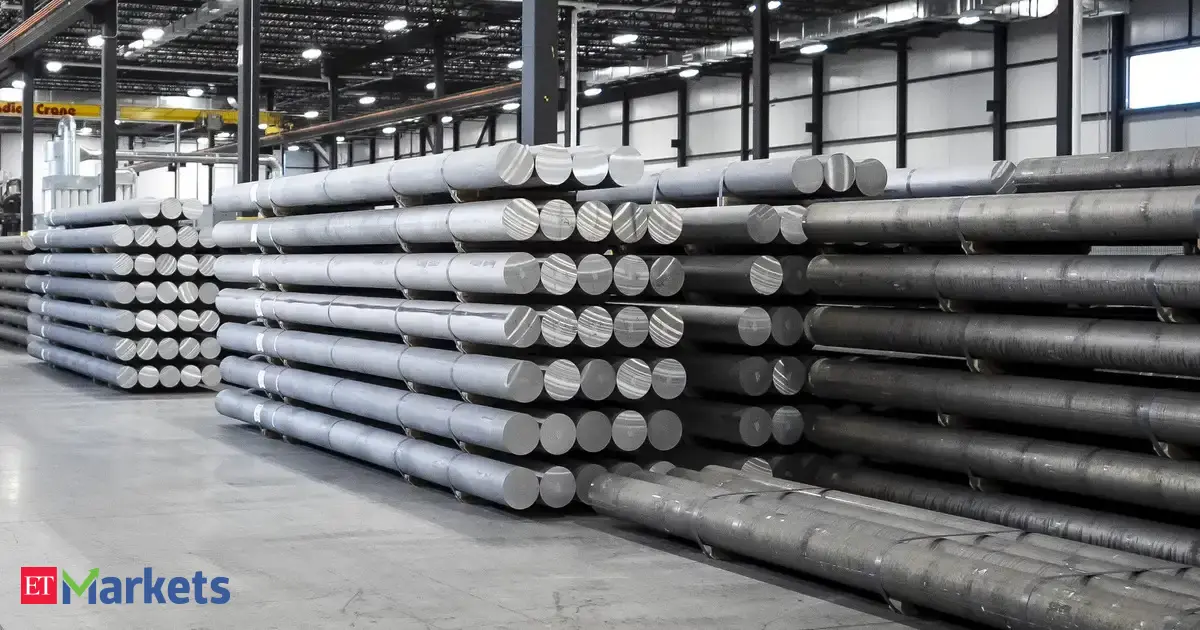
Global aluminium prices have surged past $3,000 per tonne, marking their highest level since 2022, driven by China's production caps, rising demand, and supply disruptions like the South32 Mozal smelter shutdown. This highlights significant shifts in global commodity markets and supply chain vulnerabilities, essential for competitive exam candidates studying international economics and industrial trends.
Revision structure
Monthly events and exam calendar context
Static GK and one-liner notes
Quiz and mock-test revision path
Key points
Exam-ready takeaways
This marks the highest price point for aluminium in over three years, specifically since 2022.
A primary reason for the price increase is China's imposed production caps.
Supply disruptions, including the shutdown of South32's Mozal smelter, located in Mozambique, are a key factor.
Indian aluminium futures experienced a modest rise in response to global price trends.
Detailed analysis
Full exam-oriented breakdown
The recent surge in global aluminium prices, surpassing $3,000 per tonne for the first time since 2022, is a significant development with far-reaching implications for economies worldwide, including India. To truly grasp its importance, we must delve into the underlying factors, key players, and potential ripple effects. **Background Context: The Global Aluminium Landscape** Aluminium is a crucial industrial metal, often referred to as 'liquid electricity' due to its highly energy-intensive production process. It finds extensive use across diverse sectors like automotive (lightweighting for fuel efficiency), construction (windows, frames), packaging (cans, foils), and electronics. Globally, China has been the dominant force in aluminium production for decades, accounting for over half of the world's primary aluminium output. This dominance has given China immense leverage over global supply and prices. Historically, periods of rapid industrialization and infrastructure development, particularly in emerging economies, have driven strong demand for base metals like aluminium, often leading to price volatility. **What Happened: The Perfect Storm** The current price surge is not an isolated event but rather a confluence of several powerful forces creating a 'perfect storm' in the commodity markets. Firstly, **China's production caps** are a primary driver. Faced with ambitious decarbonization goals and recurring power shortages, Beijing has imposed strict energy consumption limits and production curbs on its energy-intensive industries, including aluminium smelters. This deliberate reduction in output from the world's largest producer immediately constrains global supply. Secondly, there's a robust **resurgence in global demand**, fueled by post-pandemic economic recovery, massive infrastructure projects worldwide, and the burgeoning electric vehicle (EV) sector, which relies heavily on lightweight aluminium components. Lastly, **supply disruptions** have exacerbated the situation. The shutdown of South32's Mozal smelter in Mozambique, for instance, due to operational issues, removed a substantial amount of aluminium from the market, further tightening supply and pushing prices upwards. Geopolitical tensions and logistical bottlenecks have also played a role in disrupting smooth supply chains. **Key Stakeholders Involved** Multiple actors are significantly impacted by and contribute to this situation. **China**, as the largest producer and consumer, is arguably the most influential stakeholder, with its policy decisions having immediate global ramifications. **Global aluminium producers** like Alcoa, Rusal, and India's Hindalco and Vedanta, benefit from higher prices, leading to increased profitability, but also face higher input costs (especially energy). **Industrial consumers** – ranging from automotive giants to construction companies and packaging manufacturers – bear the brunt of increased raw material costs, which can translate into higher prices for end-products, potentially fueling inflation. **Commodity exchanges** like the London Metal Exchange (LME) and India's Multi Commodity Exchange (MCX) are critical platforms where these price movements are reflected and future contracts are traded, providing transparency and risk management tools. **Why This Matters for India** For India, the surge in aluminium prices carries both opportunities and challenges. Economically, higher global prices are a boon for domestic primary aluminium producers like Hindalco Industries and Vedanta, improving their revenues and profitability. However, it simultaneously increases input costs for downstream industries in India, such as automotive, construction, electrical, and consumer goods sectors, potentially leading to higher manufacturing costs and inflationary pressures. This could impact the 'Make in India' initiative if local manufacturing becomes less competitive due to elevated raw material costs. India is also a significant consumer of aluminium, and while it has substantial domestic production, it still relies on imports for certain specialized grades or to meet peak demand. Therefore, higher global prices can worsen India's balance of trade. The government's focus on infrastructure development (e.g., National Infrastructure Pipeline) and the growth of sectors like EVs mean that stable and affordable aluminium supply is critical for achieving these national goals. **Historical Context and Broader Themes** This situation echoes historical patterns of commodity supercycles, where rapid demand growth, coupled with supply constraints (often due to underinvestment or policy shifts), drives prices skyward. It also highlights the growing importance of **environmental governance** in industrial policy, as China's production caps are largely driven by environmental concerns and energy efficiency targets. This links to the broader global push towards sustainable development and decarbonization, which necessitates a re-evaluation of energy-intensive industries. Furthermore, the event underscores the fragility of global supply chains and the need for greater **supply chain resilience** and diversification, a theme amplified by recent geopolitical events and the pandemic. **Future Implications** Looking ahead, the aluminium market is likely to remain volatile. China's policies, global economic growth, and the pace of energy transition will be key determinants. There's a growing emphasis on 'green aluminium' – produced using renewable energy – which could command a premium and reshape supply dynamics. Countries like India might intensify efforts to boost domestic production, improve energy efficiency in smelters, and explore recycling initiatives to reduce reliance on primary aluminium imports. The long-term implications include potential shifts in manufacturing hubs, increased focus on circular economy principles, and continued pressure on governments to balance industrial growth with environmental sustainability. **Related Constitutional Articles, Acts, or Policies** While direct constitutional articles might not govern aluminium prices, India's response falls under various policy frameworks. The **Industrial Policy Resolutions** and subsequent industrial policies guide the growth of core sectors like metals. The **Foreign Trade (Development and Regulation) Act, 1992**, empowers the government to formulate and implement India's Foreign Trade Policy, which can include measures like customs duties or anti-dumping duties to manage imports and protect domestic industries. The **Competition Act, 2002**, ensures fair competition in the market and prevents cartels. Furthermore, environmental regulations under the **Environmental Protection Act, 1986**, influence domestic production capacity and technology choices for smelters. The Union Budget, framed under **Article 112** (Annual Financial Statement), outlines fiscal measures, including duties and taxes, that impact the cost structure of industries. The 'Make in India' and 'Atmanirbhar Bharat' initiatives are overarching policy thrusts aimed at bolstering domestic manufacturing and reducing import dependence, directly relevant to India's strategy in response to such global commodity shocks.
How to study
Turn news into exam marks
Revise monthly events by exam family instead of reading random updates.
Pair one-liners with mock tests so mistakes become the next revision list.
Keep state job pages, calendar pages and GK packs connected in one path.