

The Reserve Bank of India (RBI) is considering new measures to aid Indian exporters.
GK and monthly revision
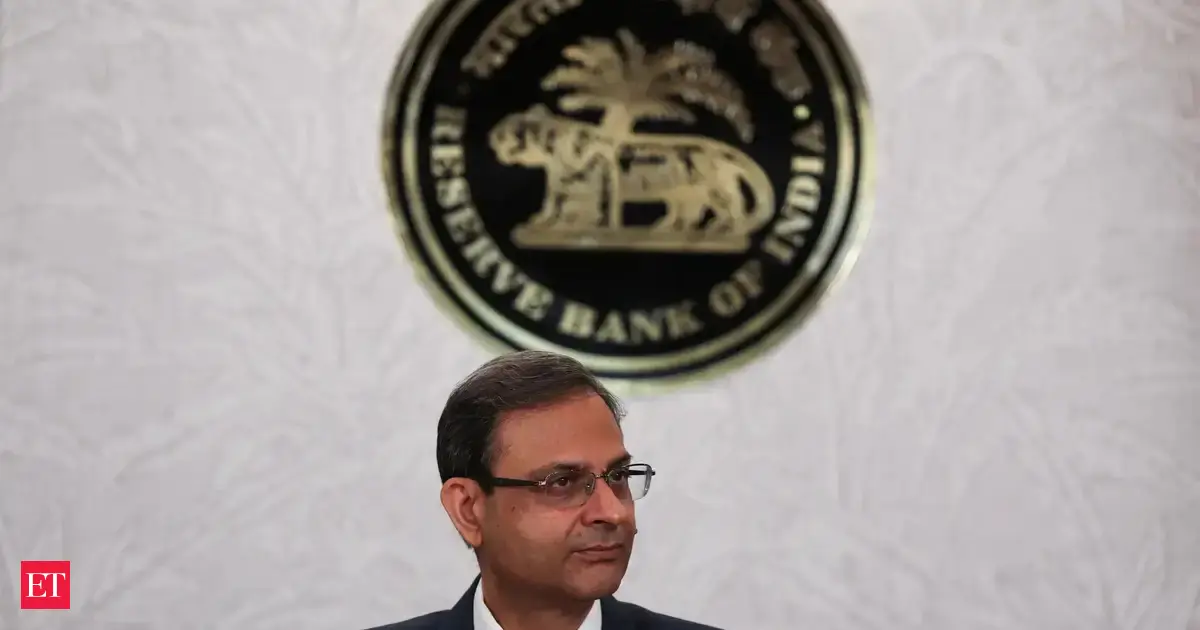
RBI considering fresh exporter relief steps after low take‑up of loan moratorium, sources say
The Reserve Bank of India (RBI) is exploring fresh relief measures for Indian exporters, including easing eligibility for the existing loan moratorium or offering new subsidized loans. This move comes after limited participation in a previous loan repayment moratorium and aims to support exporters facing challenges like U.S. tariffs. This development is crucial for understanding India's trade policy and the RBI's role in economic stability, making it relevant for economic sections in competitive exams.
Revision structure
Monthly events and exam calendar context
Static GK and one-liner notes
Quiz and mock-test revision path
Key points
Exam-ready takeaways
The initiative follows limited participation in a previously offered loan repayment moratorium.
Indian exporters are currently facing challenges, including the imposition of U.S. tariffs.
New relief steps under consideration include easing eligibility criteria for the moratorium or offering fresh subsidized loans.
Discussions are ongoing with export agencies to assess future order flows before finalizing the support measures.
Detailed analysis
Full exam-oriented breakdown
The Reserve Bank of India (RBI) exploring fresh relief measures for Indian exporters signifies a critical juncture in India's economic policy, reflecting both domestic challenges and global trade dynamics. This move, considering easier eligibility for loan moratoriums or new subsidized loans, comes in the wake of limited participation in previous relief efforts, signaling a need for more targeted and effective interventions. **Background Context and What Happened:** Indian exporters have been navigating a challenging global landscape, exacerbated by factors such as geopolitical tensions, supply chain disruptions, and, as highlighted, the imposition of U.S. tariffs. These tariffs, often a result of trade disputes or protectionist measures by major economies, directly impact the competitiveness and profitability of Indian goods in key markets. For instance, the US-China trade war, though not directly involving India as a primary antagonist, created ripple effects, altering global supply chains and demand patterns. Domestically, while the government and RBI have implemented various measures to support the economy, the previous loan repayment moratorium, intended to provide liquidity relief, saw low uptake among exporters. This limited participation suggests that the terms might have been too stringent, or the relief offered did not adequately address the specific cash flow and operational challenges faced by these businesses. Consequently, the RBI is now in discussions with export agencies to assess future order flows and tailor more effective support, indicating a data-driven approach to policy formulation. **Key Stakeholders Involved:** The primary stakeholders include the **Reserve Bank of India (RBI)**, which, as the central bank, is responsible for monetary policy, financial stability, and regulation of the banking system. Its role here is to provide financial relief and liquidity support. The **Ministry of Commerce & Industry** and the **Ministry of Finance** are also crucial, collaborating with the RBI to formulate and implement India's Foreign Trade Policy (FTP) and overall economic strategy. **Indian Exporters**, ranging from Micro, Small, and Medium Enterprises (MSMEs) to large corporations, are the direct beneficiaries and the sector whose viability is at stake. **Export Promotion Councils (EPCs)** and industry associations act as intermediaries, representing exporters' interests and providing feedback to the government and RBI. Internationally, the **U.S. Trade Representative (USTR)** and global trade bodies like the **World Trade Organization (WTO)** represent the broader international trade framework within which India operates. **Why This Matters for India:** Exports are the lifeblood of India's economy, contributing significantly to its Gross Domestic Product (GDP), foreign exchange reserves, and employment generation. A robust export sector is vital for maintaining a healthy Balance of Payments (BoP) and stabilizing the Indian Rupee. Challenges faced by exporters can lead to job losses, reduced manufacturing output, and a decline in overall economic growth. Furthermore, supporting exporters aligns with the government's 'Make in India' initiative, which aims to boost domestic manufacturing and make India a global manufacturing hub. Timely and effective relief measures can prevent business failures, preserve jobs, and ensure India remains competitive in global markets. This also influences India's standing in international trade negotiations and its ability to diversify export markets and products. **Historical Context and Broader Themes:** India's trade policy has evolved significantly since economic liberalization in 1991. From an import-substitution strategy, it shifted towards export promotion. Various Foreign Trade Policies (FTPs) have been announced periodically, aiming to enhance India's global trade share. Historically, governments have often provided incentives like duty drawbacks, export promotion capital goods (EPCG) schemes, and interest subvention schemes to boost exports. The current situation reflects a continuation of this proactive approach by the state to support a critical economic sector, especially during periods of global economic uncertainty and protectionist tendencies. This ties into broader themes of economic governance, the role of central banks in supporting economic growth, and India's strategy in international relations, particularly its trade diplomacy. **Future Implications:** If the new measures are effectively implemented and tailored to exporters' needs, they could significantly alleviate financial stress, improve liquidity, and potentially lead to a rebound in export performance. This would have positive ripple effects on employment, industrial production, and the overall economy. However, the success also hinges on the evolving global trade environment and India's ability to diversify its export basket and markets. Failure to provide adequate support could lead to a decline in exports, impacting India's forex reserves and potentially leading to a current account deficit. The RBI's actions will also set a precedent for future interventions during economic downturns, highlighting the central bank's evolving role beyond just monetary policy to include targeted sectoral support. This policy decision could influence future Foreign Trade Policies and the government's approach to industrial and MSME development. **Related Constitutional Articles, Acts, or Policies:** The **Reserve Bank of India Act, 1934**, empowers the RBI to regulate the issue of bank notes and the keeping of reserves with a view to securing monetary stability in India and generally to operate the currency and credit system of the country to its advantage. This provides the legal framework for its financial interventions. The **Foreign Trade (Development and Regulation) Act, 1992**, provides the legal framework for foreign trade in India, enabling the government to formulate and implement foreign trade policies. The **Foreign Trade Policy (FTP)**, announced by the Ministry of Commerce & Industry, outlines the policy framework and incentives for exports and imports. While not a direct constitutional article, the **Directive Principles of State Policy (DPSP)**, particularly **Article 38** (State to secure a social order for the promotion of welfare of the people) and **Article 39** (certain principles of policy to be followed by the State), provide the philosophical underpinning for state intervention to promote economic welfare and reduce inequalities, which can include supporting vital sectors like exports for overall economic stability and prosperity. Additionally, the **MSME Development Act, 2006**, is relevant as a significant portion of India's exports comes from the MSME sector, and any relief measures would directly impact these businesses.
How to study
Turn news into exam marks
Revise monthly events by exam family instead of reading random updates.
Pair one-liners with mock tests so mistakes become the next revision list.
Keep state job pages, calendar pages and GK packs connected in one path.