

The U.K. government approved controversial plans for a new Chinese 'super embassy' in London.
GK and monthly revision
U.K. approves controversial plans for Chinese ‘super embassy’ in London
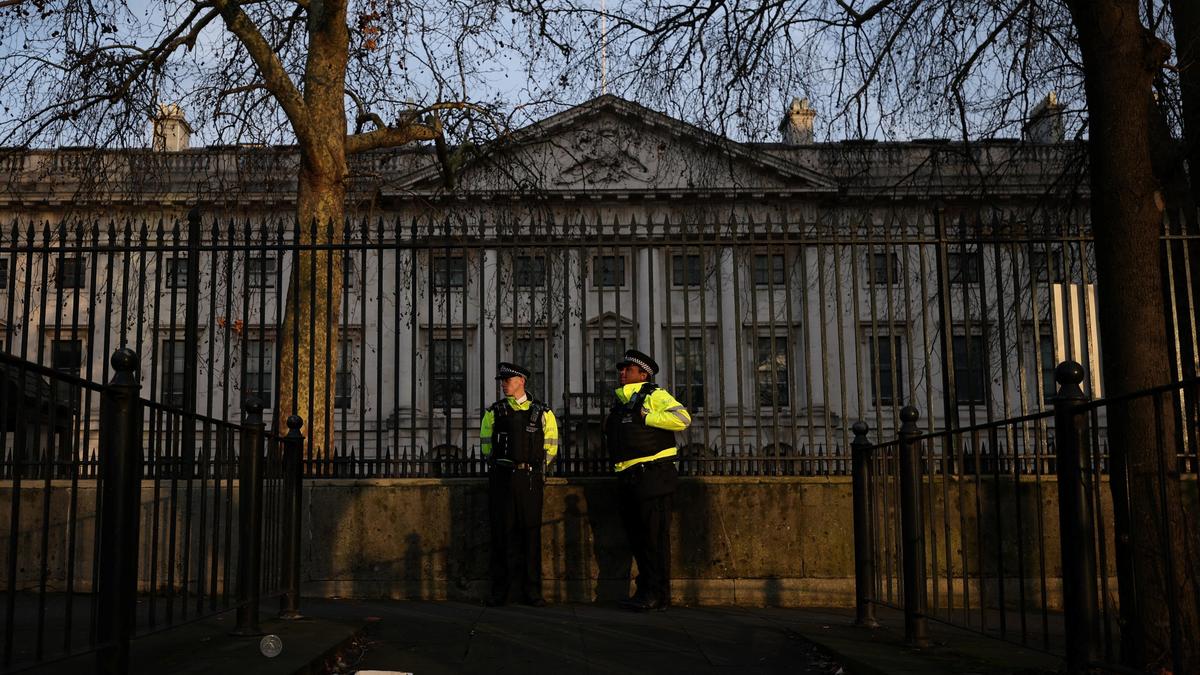
The U.K. has approved controversial plans for a new Chinese 'super embassy' at the 20,000-square-metre former Royal Mint Court site in London, near the Tower of London. This decision followed a ministerial review, as the project was deemed a matter of national significance. The development highlights ongoing geopolitical dynamics and diplomatic relations between the UK and China, making it relevant for current affairs sections in competitive exams.
Revision structure
Monthly events and exam calendar context
Static GK and one-liner notes
Quiz and mock-test revision path
Key points
Exam-ready takeaways
The proposed site for the embassy is the former Royal Mint Court.
The site spans an area of 20,000-square-metre.
The location of the new embassy is near the historic Tower of London.
The planning permission was initially "called in" for a ministerial review due to its national significance.
Detailed analysis
Full exam-oriented breakdown
The United Kingdom's recent approval of a new Chinese 'super embassy' in London, situated at the former Royal Mint Court near the historic Tower of London, is far more than just a planning decision; it's a potent symbol of the complex and often contradictory nature of contemporary international relations. This move, which followed a significant ministerial review due to its 'national significance,' encapsulates the delicate balancing act many nations, including India, face when dealing with an assertive China. **Background Context and What Happened:** For years, China has been seeking a larger diplomatic footprint in London, commensurate with its growing global stature and the increasing number of its citizens residing or visiting the UK. The current Chinese Embassy in Marylebone is considerably smaller and less suited for its expansive diplomatic and consular operations. The proposed site at Royal Mint Court, a 20,000-square-metre plot, offers ample space for a sprawling complex. However, the plan has been highly controversial. Local residents and politicians expressed strong opposition, primarily citing concerns over security, potential for protests, traffic congestion, and the sheer scale of the development in a historically sensitive area. Critics also highlighted China's human rights record in Xinjiang and Hong Kong, arguing against granting such a prominent diplomatic presence. Despite these objections, the UK government 'called in' the planning permission for a ministerial review, ultimately granting approval. This decision underscores the UK's strategic dilemma: how to balance lucrative economic ties with China against mounting geopolitical and human rights concerns. **Key Stakeholders Involved:** Several key stakeholders are involved in this high-stakes diplomatic play. The **Chinese Government** is the primary proponent, keen to enhance its diplomatic capabilities and project its global influence from a prestigious London address. The **UK Government**, particularly the Foreign, Commonwealth & Development Office, has had to navigate strong local opposition and international scrutiny while weighing economic interests against national security and foreign policy considerations. Local authorities, such as the **Tower Hamlets Council**, initially rejected the plans, reflecting strong local sentiment. **Local residents and heritage groups** vociferously opposed the development, citing concerns ranging from security risks to the preservation of the historic Tower of London's environs. Finally, **UK security agencies** would have undoubtedly played a crucial role in assessing the security implications of such a large diplomatic compound, especially given heightened concerns about espionage and surveillance activities associated with China. **Why This Matters for India:** This development holds significant implications for India, primarily in the realm of geopolitics and foreign policy. Firstly, it highlights the ongoing geopolitical shift where China is asserting its presence globally, compelling nations to recalibrate their diplomatic strategies. India, with its own complex and often contentious relationship with China, particularly concerning border disputes (e.g., Galwan Valley clashes in 2020) and economic competition, keenly observes such developments. The UK's decision to greenlight a 'super embassy' despite significant domestic opposition could be seen as a pragmatic, albeit controversial, move to maintain some level of engagement with Beijing. For India, this reinforces the need for a nuanced, multi-aligned foreign policy, as articulated by the principles enshrined in **Article 51 of the Indian Constitution**, which advocates for the promotion of international peace and security, maintenance of just and honourable relations between nations, and respect for international law and treaty obligations. India's strategic autonomy dictates that it must engage with both Western powers and China, without being drawn into exclusive blocs. Secondly, the security concerns raised in the UK about potential intelligence gathering from a large Chinese diplomatic mission resonate with India's own national security considerations regarding foreign embassies and their activities on Indian soil. The principles of the **Vienna Convention on Diplomatic Relations (1961)**, which grants diplomatic immunity and inviolability to embassy premises, are universally applied, but the sheer scale and location of such a mission naturally raise specific concerns. **Historical Context and Future Implications:** Historically, UK-China relations have swung from the 'Golden Era' under former Prime Minister David Cameron to a more confrontational stance following issues like Hong Kong's autonomy, human rights abuses in Xinjiang, and concerns over Huawei's involvement in 5G infrastructure. The approval of the embassy, therefore, doesn't signal a return to the 'Golden Era' but rather a pragmatic acceptance of China's enduring global presence. For India, this context is vital. India's own relationship with China has seen periods of cooperation interspersed with significant tensions since the 1962 Sino-Indian War. Understanding how other major powers manage their ties with China helps inform India's strategic choices. Looking ahead, the 'super embassy' will likely become a focal point for both diplomatic engagement and protest. It signals China's long-term commitment to a robust presence in the heart of Europe. For India, the future implications include continued geopolitical balancing acts. As the UK, a key partner in initiatives like the Indo-Pacific strategy and a potential Free Trade Agreement (FTA) partner for India, navigates its China policy, India must ensure its own strategic interests are protected. This includes bolstering its own diplomatic infrastructure, enhancing intelligence sharing with trusted partners, and actively shaping regional security architectures to counter any potential hegemonic tendencies. The decision also highlights the persistent tension between economic pragmatism and adherence to democratic values and human rights in international diplomacy, a challenge that India, as the world's largest democracy, must also navigate effectively in its foreign relations.
How to study
Turn news into exam marks
Revise monthly events by exam family instead of reading random updates.
Pair one-liners with mock tests so mistakes become the next revision list.
Keep state job pages, calendar pages and GK packs connected in one path.