

A Trinamool Congress (TMC) Rajya Sabha member submitted a petition to the Election Commission of India.
GK and monthly revision
TMC MP petitions EC over special revision of electoral rolls in Assam
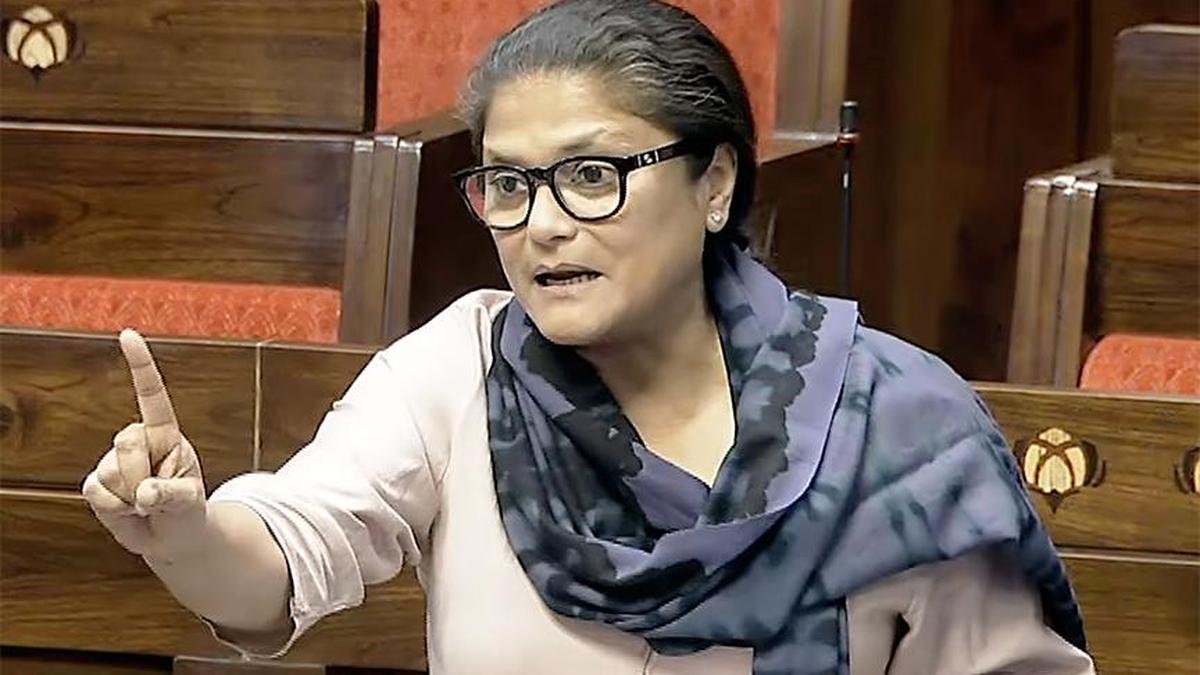
A Trinamool Congress (TMC) Rajya Sabha MP has petitioned Chief Election Commissioner Gyanesh Kumar, expressing concerns over the "special revision of electoral rolls" in Assam. The MP warned that a hastily executed process could lead to "large-scale wrongful deletion" of names, raising questions about electoral integrity and citizenship rights. This issue is significant for competitive exams, highlighting the role of the Election Commission, electoral reforms, and challenges related to citizenship in states like Assam.
Revision structure
Monthly events and exam calendar context
Static GK and one-liner notes
Quiz and mock-test revision path
Key points
Exam-ready takeaways
The petition was addressed to Chief Election Commissioner (CEC) Gyanesh Kumar.
The concern was specifically regarding the 'special revision of electoral rolls' being conducted in Assam.
The TMC MP warned that a hurried process could result in 'large-scale wrongful deletion' of names from the electoral lists.
The issue underscores potential challenges to the integrity of the electoral process and citizenship rights in Assam.
Detailed analysis
Full exam-oriented breakdown
The recent petition by a Trinamool Congress (TMC) Rajya Sabha MP to Chief Election Commissioner Gyanesh Kumar regarding the 'special revision of electoral rolls' in Assam brings to the fore critical issues concerning electoral integrity, citizenship rights, and federal governance in India. The MP's warning of 'large-scale wrongful deletion' of names underscores the deep-seated anxieties surrounding identity and franchise in the sensitive border state of Assam. To truly grasp the gravity of this situation, one must delve into Assam's unique historical context. The state has been grappling with the issue of illegal immigration, primarily from Bangladesh, for decades. This led to the tumultuous Assam Agitation from 1979 to 1985, demanding the identification and deportation of illegal immigrants. The agitation culminated in the signing of the Assam Accord in 1985, which set March 24, 1971, as the cut-off date for determining citizenship. This historical backdrop is crucial because any process involving the identification of citizens or deletion of voters is inherently linked to these historical grievances and political promises. The 'special revision of electoral rolls' is a standard exercise conducted by the Election Commission of India (ECI) to update voter lists, ensuring accuracy by adding eligible voters and removing deceased, shifted, or ineligible ones. However, in Assam, this process takes on an added layer of complexity due to the National Register of Citizens (NRC) update, which was specifically carried out to identify genuine Indian citizens residing in Assam. The final NRC list, published on August 31, 2019, excluded over 19 lakh people, leaving their citizenship status in limbo. While the NRC and electoral rolls are distinct processes, the fear of 'wrongful deletion' from electoral rolls often stems from the anxieties generated by the NRC exercise and the subsequent challenges faced by those excluded. Key stakeholders in this issue include the Election Commission of India (ECI), which, as per Article 324 of the Indian Constitution, is vested with the superintendence, direction, and control of the preparation of electoral rolls and the conduct of elections. Its impartiality and efficiency are paramount for maintaining democratic credibility. Political parties like the TMC, often acting as watchdogs, raise concerns to protect the rights of potential voters and challenge processes they perceive as flawed or politically motivated. The Government of Assam and the Central Government are also major stakeholders, as they drive policies related to citizenship and internal security. Most importantly, the citizens and residents of Assam, particularly those from marginalized communities or those whose citizenship has been historically contested, are the ultimate beneficiaries or victims of such revisions. This issue matters profoundly for India. Firstly, it directly impacts the integrity of India's electoral democracy. Free and fair elections are the bedrock of democracy, and accurate electoral rolls are fundamental to this. Any perception of large-scale wrongful deletions can erode public trust in the electoral system. Secondly, it touches upon fundamental citizenship rights, particularly the right to vote (Article 326), which is a statutory right, and the broader rights to equality (Article 14) and life and personal liberty (Article 21). Disenfranchisement, even if temporary, can have severe socio-political consequences. Thirdly, it highlights the delicate balance of federalism, as states like Assam grapple with unique demographic challenges that sometimes require specific policy interventions, often leading to debates between state and central policies. Looking ahead, the future implications are significant. The ECI will be under immense pressure to conduct the electoral roll revision transparently and accurately, ensuring that due process is followed for every deletion. This might involve robust public hearings and adequate time for appeals. Any perceived flaws could lead to legal challenges, potentially delaying electoral processes or even impacting election results. Politically, the issue will likely be a hot topic in upcoming state and national elections, with various parties leveraging it to consolidate their vote banks. Socially, it has the potential to reignite debates around identity, ethnicity, and belonging, which have historically been sensitive in Assam. The ECI's actions will set a precedent for how such complex issues are handled in other states facing similar demographic pressures. Relevant constitutional provisions include Article 324, empowering the ECI; Article 326, which enshrines adult suffrage; and the Representation of the People Act, 1950, which governs the preparation and revision of electoral rolls. The Citizenship Act, 1955, and its subsequent amendments, along with the Assam Accord, form the legal and policy framework within which these revisions operate. The ECI's adherence to these statutes and constitutional principles is vital to ensure justice and maintain democratic sanctity.
How to study
Turn news into exam marks
Revise monthly events by exam family instead of reading random updates.
Pair one-liners with mock tests so mistakes become the next revision list.
Keep state job pages, calendar pages and GK packs connected in one path.