

Silver prices have surged past one hundred dollars ($100) an ounce.
GK and monthly revision
Speculative frenzy catapults silver above $100/oz
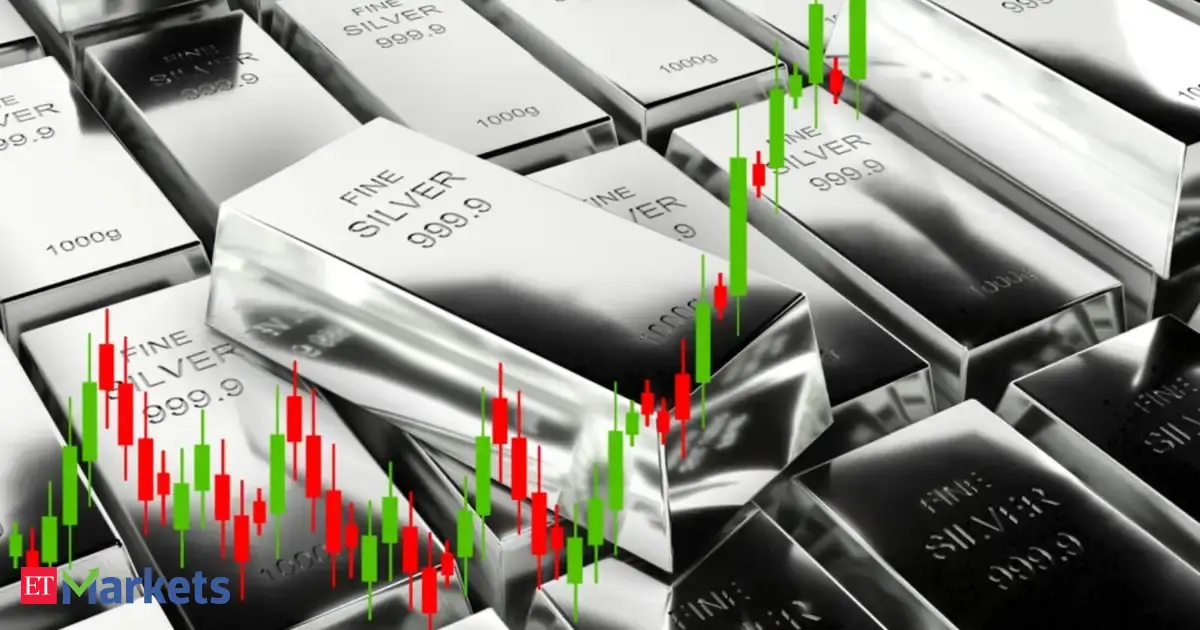
Silver prices have surged past $100 per ounce, driven by strong retail investor and momentum-driven buying amidst tightness in physical markets. This significant economic event, occurring concurrently with gold hitting record highs, indicates dynamic market conditions. For competitive exams, understanding the factors influencing commodity prices and their broader economic implications, such as potential corrections and industrial demand pressure, is crucial.
Revision structure
Monthly events and exam calendar context
Static GK and one-liner notes
Quiz and mock-test revision path
Key points
Exam-ready takeaways
The primary drivers for this surge are retail investor and momentum-driven buying.
Physical markets for silver are currently experiencing significant tightness.
Gold prices have also simultaneously hit a record high alongside silver's surge.
Analysts have issued warnings of a potential major correction in silver prices.
Detailed analysis
Full exam-oriented breakdown
The recent surge in silver prices, catapulting the metal above $100 per ounce, represents a significant event in global commodity markets, holding particular relevance for Indian competitive exam aspirants. This unprecedented spike, mirroring a record high in gold prices, underscores complex interplay of global economic factors, investor sentiment, and market dynamics. **Background Context and What Happened:** Commodities like silver and gold are often considered 'safe-haven assets,' meaning investors flock to them during times of economic uncertainty, high inflation, or geopolitical instability. The current global economic landscape, characterized by persistent inflationary pressures, fluctuating interest rates by major central banks, and ongoing geopolitical tensions, has created an environment ripe for such movements. What we've witnessed is a 'speculative frenzy' primarily driven by retail investors and momentum buying. Retail investors, empowered by accessible trading platforms and social media, can collectively exert significant influence, as seen in past 'meme stock' phenomena. This surge has led to 'tightness in physical markets,' meaning the actual supply of physical silver available for immediate delivery is struggling to meet the escalating demand. This imbalance further fuels price increases as buyers compete for limited stock. **Key Stakeholders Involved:** Several key players are at the heart of this market dynamic. **Retail Investors** are the primary drivers of the current momentum, seeking quick gains or hedging against inflation. **Institutional Investors** (like hedge funds and mutual funds) also participate, either riding the wave or taking opposing positions. **Industrial Consumers** are critical stakeholders; silver is a vital component in electronics, solar panels, and medical devices. A sustained price surge significantly increases their input costs, potentially impacting production and profitability. **Miners** benefit from higher prices, but increasing supply takes time due to long lead times for new projects. **Central Banks** like the Reserve Bank of India (RBI) indirectly influence commodity prices through their monetary policies – interest rate decisions and liquidity measures impact the broader economic environment and investor appetite for risk. Finally, **Market Regulators** such as the Securities and Exchange Board of India (SEBI) oversee commodity derivatives exchanges like MCX, ensuring fair trading practices and market integrity. **Why This Matters for India:** India has a profound and multifaceted relationship with precious metals. It is one of the world's largest consumers and importers of both gold and silver, deeply embedded in its cultural, religious, and economic fabric. Higher silver prices have several implications for India: 1. **Economic Impact:** A surge in silver import bills exacerbates India's Current Account Deficit (CAD), as the country spends more foreign exchange on imports than it earns from exports. This can put pressure on the Indian Rupee. Domestically, higher silver prices contribute to inflation, impacting household budgets, especially for those who purchase silver for jewelry or ceremonial purposes. India's burgeoning solar energy sector, a key component of its renewable energy push (aligned with policies like the National Solar Mission), relies heavily on silver. Increased costs could slow down project implementation or make solar power more expensive. 2. **Cultural and Social Impact:** Silver, like gold, is considered an auspicious metal and a traditional store of wealth, particularly in rural India. Price volatility can affect household savings and investment patterns. Jewelers and artisans, a significant part of India's informal economy, face increased raw material costs and fluctuating demand. 3. **Investment Landscape:** Indian households and investors often view silver as an alternative investment. The price surge might attract more domestic investment into silver, potentially diverting funds from other asset classes. **Historical Context and Future Implications:** Historically, precious metals have served as reliable hedges against inflation and currency debasement. The 2011 silver spike, where prices briefly touched nearly $50/oz, was also driven by similar factors of quantitative easing and inflation fears. The current surge, however, has pushed prices far beyond previous records. Analysts' warnings of a
How to study
Turn news into exam marks
Revise monthly events by exam family instead of reading random updates.
Pair one-liners with mock tests so mistakes become the next revision list.
Keep state job pages, calendar pages and GK packs connected in one path.