

Globally, 188 million children and adolescents are currently living with obesity, according to the WHO.
GK and monthly revision
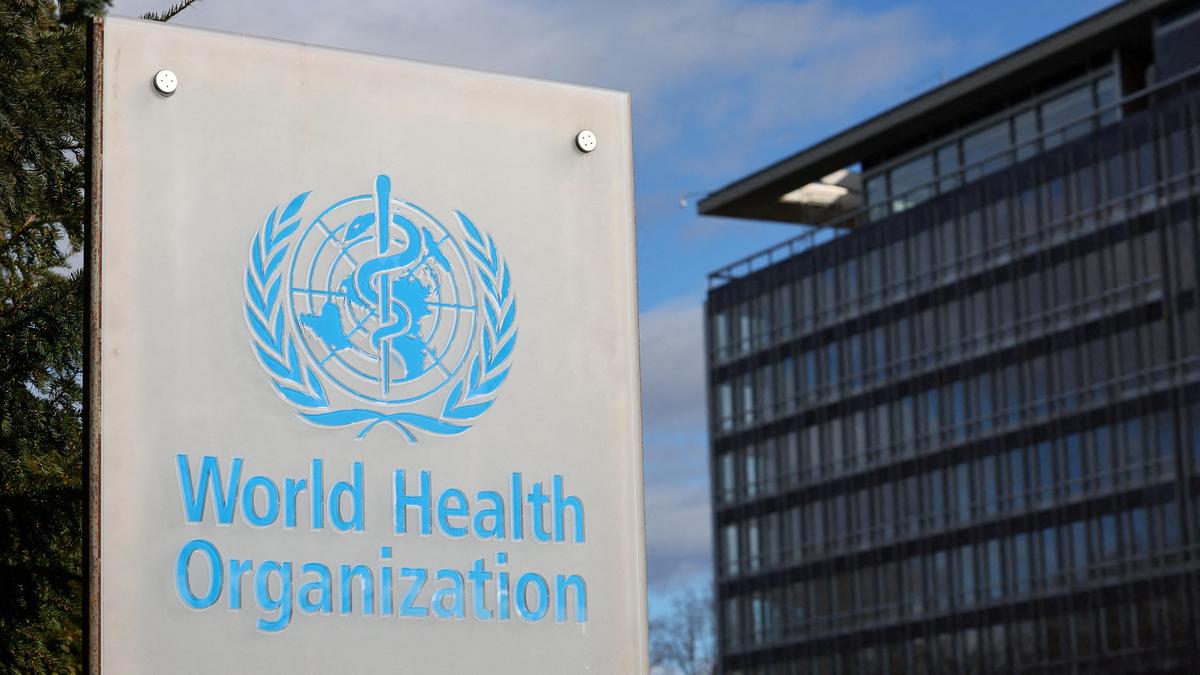
188 million children and adolescents living with obesity worldwide: WHO
The World Health Organization (WHO) reports that 188 million children and adolescents globally are living with obesity, marking the first time the number of overweight children has surpassed underweight children. This significant shift underscores a global public health crisis with long-term implications for health systems and societal well-being. The report emphasizes schools as critical settings for shaping lifelong dietary habits and reducing nutritional inequities, making it relevant for understanding global health trends and policy interventions for competitive exams.
Revision structure
Monthly events and exam calendar context
Static GK and one-liner notes
Quiz and mock-test revision path
Key points
Exam-ready takeaways
For the first time in history, the number of overweight children worldwide has surpassed the number of underweight children.
The data was released by the World Health Organization (WHO), a global health body.
The report highlights schools as a critical setting for shaping lifelong dietary habits in children.
The findings underscore the need to reduce inequities in nutrition among children and adolescents.
Detailed analysis
Full exam-oriented breakdown
The World Health Organization's (WHO) recent report, highlighting that 188 million children and adolescents globally are living with obesity and, for the first time, the number of overweight children has surpassed underweight children, marks a critical turning point in global public health. This isn't just a statistical shift; it signifies a profound change in the nature of malnutrition and poses a formidable challenge to health systems worldwide, including India. Historically, global health concerns, particularly in developing nations like India, predominantly revolved around undernutrition and communicable diseases. The Green Revolution in the mid-20th century, while boosting food production and combating hunger, also inadvertently laid some groundwork for dietary shifts. Post-liberalization, economic growth, rapid urbanization, and globalization led to increased access to processed, calorie-dense, and nutrient-poor foods, often high in sugar, salt, and unhealthy fats. Simultaneously, lifestyle changes characterized by reduced physical activity, increased screen time, and sedentary habits have become prevalent, especially among children and adolescents. This combination of readily available unhealthy food and inactive lifestyles has fueled the rise of the 'double burden of malnutrition' – where undernutrition coexists with overweight and obesity within the same communities, households, or even individuals. Several key stakeholders are at the forefront of this crisis. The **WHO** itself plays a crucial role in monitoring global health trends, setting international standards, and guiding member states through initiatives like the Global Action Plan for the Prevention and Control of Non-Communicable Diseases (NCDs). **National governments**, including India's, bear the primary responsibility for policy formulation, public health interventions, and resource allocation. **Parents and families** are fundamental in shaping children's dietary habits and activity levels. The report specifically emphasizes **schools** as critical settings, not just for education but also for instilling healthy eating habits and promoting physical activity through mid-day meal programs, physical education, and health education curricula. The **food industry**, through its production, marketing, and distribution strategies, significantly influences food choices. Lastly, **healthcare providers** are essential for early detection, counseling, and managing obesity-related complications. For India, the implications of this global trend are particularly significant. As a young nation with a substantial demographic dividend, a rise in childhood obesity threatens to negate this advantage by creating a generation prone to Non-Communicable Diseases (NCDs) like type 2 diabetes, cardiovascular diseases, and certain cancers at an earlier age. This will place an immense strain on India's already stretched public health infrastructure and increase healthcare expenditure, both for individuals and the state. The economic burden includes lost productivity due to illness and premature mortality. Socially, the issue exacerbates existing inequities, as unhealthy, processed foods are often cheaper and more accessible for lower-income groups, while access to nutritious food, safe play spaces, and health education may be limited. This creates a vicious cycle where socio-economic disadvantage correlates with higher rates of obesity and associated health problems. India's Constitution, through its **Directive Principles of State Policy (DPSP)**, provides a framework for addressing public health challenges. **Article 47** mandates that the State shall regard the raising of the level of nutrition and the standard of living of its people and the improvement of public health as among its primary duties. This constitutional provision underpins various government initiatives. The **National Health Policy (NHP) 2017** explicitly recognizes the rising burden of NCDs and emphasizes preventive and promotive healthcare, including healthy lifestyles. While primarily focused on undernutrition, the **POSHAN Abhiyaan (National Nutrition Mission)**, launched in 2018, aims for holistic nutrition, which implicitly includes preventing overnutrition. The **Food Safety and Standards Authority of India (FSSAI)**'s 'Eat Right Movement' promotes healthy, safe, and sustainable food habits, advocating for reduced sugar, salt, and fat in diets, and promoting fortified foods. The **Food Safety and Standards Act, 2006**, provides the regulatory framework for food safety and standards in the country. Looking ahead, the future implications are clear: a continued rise in NCDs if current trends persist. This necessitates a multi-sectoral approach involving not just the health ministry but also education, urban planning, agriculture, and social welfare. Potential policy interventions include stricter regulations on marketing unhealthy foods to children, front-of-pack labeling, taxation on sugary beverages (like a 'fat tax'), promoting physical activity through better urban planning (parks, cycle lanes), and strengthening school nutrition programs. India's ability to harness its demographic dividend hinges on ensuring the health and well-being of its young population. Addressing childhood obesity is not merely a health imperative but a crucial investment in the nation's human capital and sustainable development goals, particularly SDG 2 (Zero Hunger) and SDG 3 (Good Health and Well-being).
How to study
Turn news into exam marks
Revise monthly events by exam family instead of reading random updates.
Pair one-liners with mock tests so mistakes become the next revision list.
Keep state job pages, calendar pages and GK packs connected in one path.