

The Economic Survey 2025-26 identified limited mobility and rigid schedules as key workplace hurdles for women.
GK and monthly revision
Economic Survey calls for policies to promote flexible work to increase female workforce
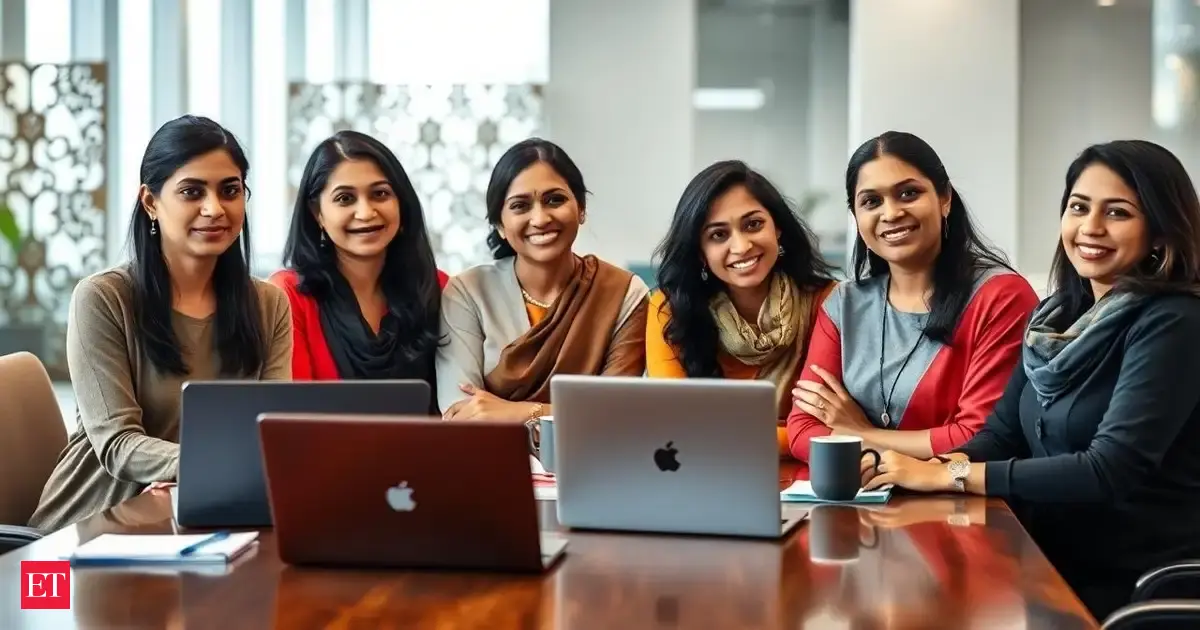
India's Economic Survey 2025-26 has highlighted significant workplace hurdles for women, including limited mobility and rigid schedules, while also noting their increased workforce participation recently. It advocates for crucial policy interventions like flexible work arrangements, equal pay, and enhanced safety measures to substantially boost female employment. This is vital for addressing gender inequality and maximizing India's economic potential, making it a key topic for competitive exams focusing on economy and social development.
Revision structure
Monthly events and exam calendar context
Static GK and one-liner notes
Quiz and mock-test revision path
Key points
Exam-ready takeaways
It called for policies promoting flexible work arrangements to increase female workforce participation.
Recommendations also included ensuring equal pay and implementing robust safety measures for women in the workplace.
The Survey noted that women spend more time on unpaid caregiving, which impacts their paid work participation.
Recent years have shown a positive trend with a rise in women joining the workforce and a drop in unemployment.
Detailed analysis
Full exam-oriented breakdown
The Economic Survey 2025-26's emphasis on promoting flexible work arrangements to increase female workforce participation is a critical insight into India's economic and social development trajectory. This isn't just about jobs; it's about unlocking India's full potential by integrating a significant portion of its human capital that often remains underutilized. Historically, India has grappled with one of the lowest female labor force participation rates (FLFPR) globally, despite robust economic growth. For decades, the FLFPR in India hovered around 20-25%, a stark contrast to many developing and developed nations. This low participation is a complex issue rooted in socio-cultural norms, lack of adequate education and skill development, safety concerns, and the disproportionate burden of unpaid care work borne by women. The 'U-shaped' curve phenomenon, where women's participation initially declines with rising household income due to increased educational enrolment and social preferences for women to remain at home, before rising again with higher education and better job opportunities, has often been cited. However, the recent positive trend noted by the Survey – a rise in women joining the workforce and a drop in unemployment – signals a potential turning point, making the Survey's recommendations particularly timely. The Economic Survey 2025-26 astutely identifies key workplace hurdles faced by women: limited mobility and rigid work schedules. These are significant barriers, especially in a country where public transport infrastructure might be inadequate or unsafe, and societal expectations often restrict women's movement. The rigid 9-to-5 workday model often clashes with women's primary role in household and caregiving responsibilities, which the Survey highlights as 'unpaid caregiving' impacting their paid work participation. To overcome these, the Survey champions policy interventions like flexible work arrangements (e.g., remote work, flexible hours, part-time options), ensuring equal pay for equal work, and implementing robust safety measures in the workplace. These measures are not merely aspirational; they are pragmatic solutions to systemic issues. Key stakeholders in this discourse include the Government of India (Ministry of Finance, Ministry of Labour & Employment, Ministry of Women & Child Development, NITI Aayog), which is responsible for formulating and implementing policies. Employers, both in the public and private sectors, play a crucial role in adopting flexible work policies and ensuring safe, equitable workplaces. Women themselves, as beneficiaries and agents of change, are central. Civil society organizations and trade unions advocate for women's rights and better working conditions. International organizations like the ILO and UN Women also contribute by providing research, setting standards, and advocating for gender equality in employment. This issue holds immense significance for India. Economically, increasing female workforce participation can add trillions to India's GDP, accelerate economic growth, and help harness its demographic dividend effectively. Studies have consistently shown a strong correlation between higher FLFPR and economic prosperity. Socially, it fosters women's empowerment, enhances their financial independence, improves their bargaining power within households, and contributes to overall gender equality. Politically, it influences policy agendas, electoral narratives, and India's standing on global indices related to gender equality and human development. The constitutional framework of India provides a strong basis for these recommendations. Article 14 guarantees equality before the law, while Article 15 prohibits discrimination on grounds of sex. Article 16 ensures equality of opportunity in matters of public employment. More specifically, Article 39(d) mandates 'equal pay for equal work for both men and women,' directly supporting the Survey's call for equal pay. Article 42 directs the State to make provisions for 'just and humane conditions of work and for maternity relief.' These constitutional provisions are supplemented by acts like the Equal Remuneration Act, 1976; the Maternity Benefit Act, 1961 (amended in 2017 to extend paid maternity leave to 26 weeks); and the Sexual Harassment of Women at Workplace (Prevention, Prohibition and Redressal) Act, 2013, which addresses workplace safety. Government initiatives like Skill India Mission, Beti Bachao Beti Padhao, and various entrepreneurship schemes also indirectly support women's economic participation. Looking ahead, the future implications are profound. If implemented effectively, these policies could lead to a significant increase in India's FLFPR, transforming the labor market landscape. It would necessitate a cultural shift within workplaces and society regarding gender roles and work-life balance. Challenges will include ensuring proper enforcement of equal pay laws, creating safe public spaces for women's mobility, and investing in childcare infrastructure to alleviate the unpaid care burden. The push for flexible work aligns with global trends and India's commitment to Sustainable Development Goal 5 (Gender Equality) and Goal 8 (Decent Work and Economic Growth). This proactive stance by the Economic Survey could pave the way for a more inclusive, equitable, and economically vibrant India.
How to study
Turn news into exam marks
Revise monthly events by exam family instead of reading random updates.
Pair one-liners with mock tests so mistakes become the next revision list.
Keep state job pages, calendar pages and GK packs connected in one path.