

The Union Budget for the fiscal year 2026-27 was presented.
GK and monthly revision
Budget 2026-27: Drastic cuts in allocation for LPG connections to the poor, PM Internship Scheme
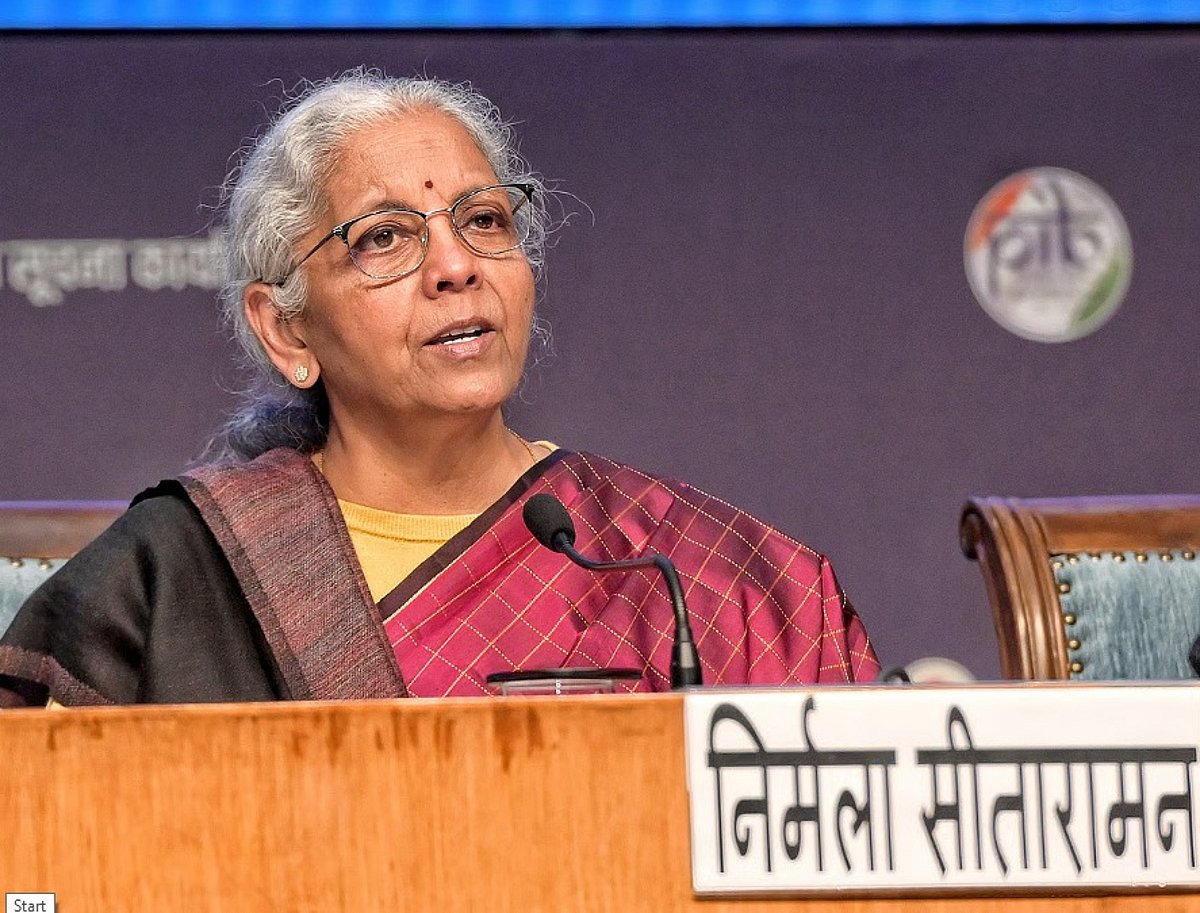
The Union Budget 2026-27, presented by Union Finance Minister Nirmala Sitharaman, revealed significant reallocations, notably including drastic cuts in the budgetary provisions for flagship schemes like LPG connections to the poor and the PM Internship Scheme. This reshuffle indicates a shift in government spending priorities, which is crucial for competitive exam aspirants to understand for questions on economic policy, social welfare, and government schemes. Such budgetary changes reflect policy direction and impact various sectors.
Revision structure
Monthly events and exam calendar context
Static GK and one-liner notes
Quiz and mock-test revision path
Key points
Exam-ready takeaways
Union Finance Minister Nirmala Sitharaman presented the Budget 2026-27.
Drastic cuts in allocation were announced for schemes providing LPG connections to the poor.
The PM Internship Scheme also faced drastic cuts in its budgetary allocation.
The Budget 2026-27 indicates a major reshuffle in the funding of central government's flagship schemes.
Detailed analysis
Full exam-oriented breakdown
The Union Budget, presented annually by the Finance Minister, serves as the government's comprehensive financial statement, outlining its revenue and expenditure for the upcoming fiscal year. It's not merely an accounting exercise but a powerful policy document reflecting the government's priorities, economic philosophy, and social commitments. The Budget 2026-27, presented by Union Finance Minister Nirmala Sitharaman, drew significant attention for its 'drastic cuts' in allocations to key flagship schemes, particularly the Pradhan Mantri Ujjwala Yojana (PMUY) for LPG connections to the poor and the PM Internship Scheme. **Background Context and What Happened:** India, a developing nation, has historically relied on a mix of market-led growth and social welfare programs to address poverty and promote inclusive development. Schemes like the Pradhan Mantri Ujjwala Yojana (PMUY), launched in May 2016, exemplify this approach. PMUY aimed to provide clean cooking fuel (LPG) to women in rural and deprived households, replacing traditional cooking fuels like firewood and dung cakes, which contribute to indoor air pollution and associated health problems. It was a significant step towards achieving SDG 7 (Affordable and Clean Energy) and empowering women. Similarly, various internship and skill development programs, often bundled under broader initiatives like the National Skill Development Mission, have been crucial for enhancing youth employability and addressing the skill gap in the economy. These schemes directly align with the Directive Principles of State Policy (DPSP) enshrined in the Constitution, particularly Articles 38 (to secure a social order for the promotion of welfare of the people) and 39 (right to an adequate means of livelihood). The Budget 2026-27, however, indicated a significant recalibration. While specific figures for the cuts are not detailed in the prompt, the term 'drastic cuts' suggests a substantial reduction in funding for both PMUY and the PM Internship Scheme. This reshuffle implies a shift in fiscal strategy, potentially moving away from direct subsidies in certain sectors or re-evaluating the effectiveness and necessity of these schemes in their current form. **Key Stakeholders Involved:** * **Government of India (Ministry of Finance, NITI Aayog, line ministries)**: These are the primary decision-makers, responsible for formulating the budget and setting policy priorities. The Ministry of Petroleum and Natural Gas oversees PMUY, while the Ministry of Skill Development and Entrepreneurship manages internship programs. NITI Aayog provides policy inputs and strategy. * **Beneficiaries**: The poor households, especially women, who rely on PMUY for clean cooking fuel, and the youth seeking skill development and employment opportunities through internship schemes, are directly impacted. * **Oil Marketing Companies (OMCs)**: Companies like IOCL, BPCL, and HPCL are crucial for the implementation and distribution of LPG cylinders under PMUY. Budget cuts could affect their operational dynamics related to the scheme. * **Opposition Parties and Civil Society Organizations**: These groups often scrutinize budgetary allocations, raising concerns about the impact on vulnerable populations and questioning the government's commitment to social welfare. * **Economists and Policy Analysts**: They provide independent analysis of the budget's implications, offering insights into its economic and social consequences. **Why This Matters for India:** These budgetary cuts have profound implications for India. Economically, they signal a potential shift in government spending, perhaps towards capital expenditure or other priority areas. For PMUY, reduced allocations could slow down the expansion of LPG coverage, potentially reversing gains made in public health and environmental protection by forcing beneficiaries back to traditional, polluting fuels. This would undermine efforts to achieve universal access to clean energy. Socially, it could exacerbate inequalities, particularly affecting women in rural areas who bear the brunt of indoor air pollution and time spent collecting firewood. For the PM Internship Scheme, cuts could hamper skill development initiatives at a time when youth unemployment and underemployment remain significant challenges. This would impact human capital formation and India's demographic dividend. Historically, Indian budgets have always juggled growth imperatives with welfare objectives. The shift from a planned economy to a more liberalized one in 1991 brought about changes in how welfare was delivered. However, the commitment to social justice, as enshrined in the Preamble and DPSP of the Constitution, has remained central. The Fiscal Responsibility and Budget Management (FRBM) Act, 2003, also provides a framework for fiscal discipline, which might influence budgetary decisions, though welfare cuts are often contentious. **Future Implications:** The drastic cuts suggest several future implications. Firstly, the government might be moving towards a more targeted subsidy regime, or perhaps exploring alternative mechanisms for delivering welfare benefits, such as direct benefit transfers (DBT) to reduce leakages, though the prompt does not specify this. Secondly, it could signal a re-evaluation of the effectiveness and reach of these specific schemes, potentially paving the way for revamped or entirely new initiatives that address the same objectives with different strategies. Thirdly, it raises questions about the government's long-term commitment to specific social welfare goals and its strategy for inclusive growth. The cuts could also trigger public debate and political pressure, potentially leading to adjustments in future budgets. From a broader governance perspective, it highlights the continuous dynamic between fiscal prudence and social equity, a balance that every government strives to achieve within the framework of Article 112 of the Constitution, which mandates the presentation of the Annual Financial Statement. In essence, while budgetary reallocations are a normal part of economic management, 'drastic cuts' to flagship social welfare and skill development schemes like PMUY and the PM Internship Scheme indicate a significant policy pivot. Aspirants must understand these shifts not just as numbers but as reflections of evolving socio-economic priorities and their far-reaching consequences for India's development trajectory.
How to study
Turn news into exam marks
Revise monthly events by exam family instead of reading random updates.
Pair one-liners with mock tests so mistakes become the next revision list.
Keep state job pages, calendar pages and GK packs connected in one path.