

The recent negotiations involved the United States and Iran.
GK and monthly revision
Trump says U.S. talks with Iran ‘very good’, more negotiations expected
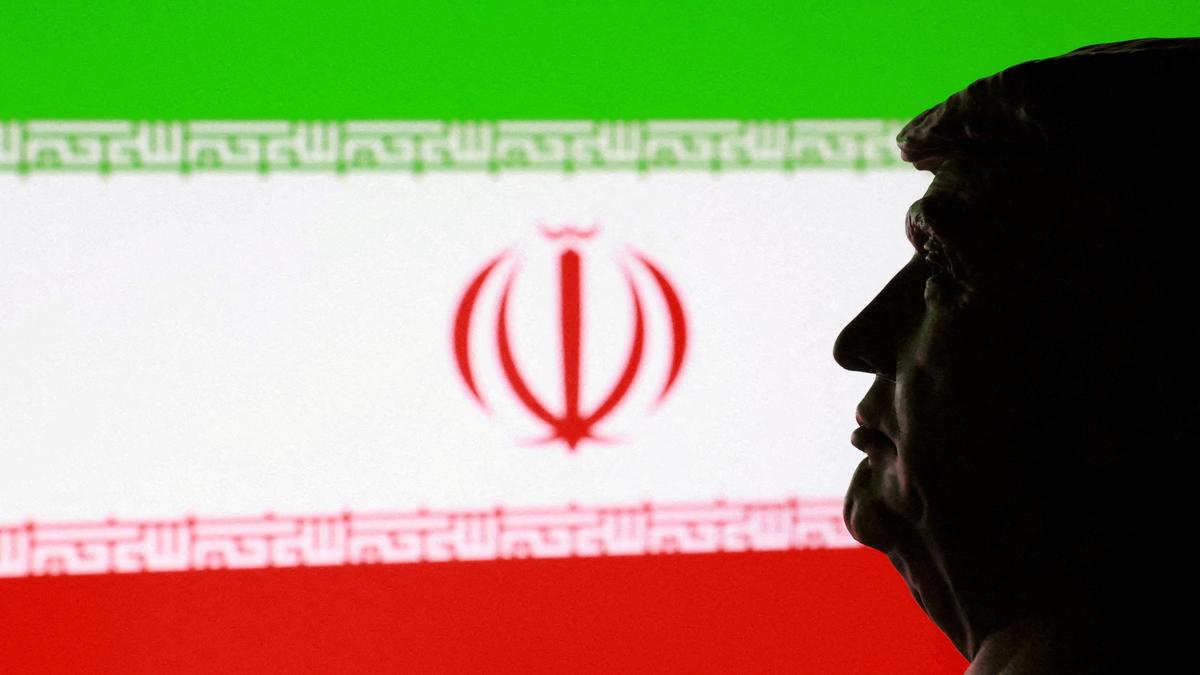
US President Donald Trump described recent talks with Iran as "very good," while Iran noted a "positive atmosphere" during negotiations held in a Gulf sultanate. This development is significant for international relations, as it signals a potential de-escalation of tensions in the Middle East. For competitive exams, understanding these geopolitical shifts and the involved parties is crucial for questions on international affairs and global stability.
Revision structure
Monthly events and exam calendar context
Static GK and one-liner notes
Quiz and mock-test revision path
Key points
Exam-ready takeaways
US President Donald Trump described the talks as "very good."
Iran characterized the atmosphere during the day of talks as "positive."
The discussions between the two nations took place in a "Gulf sultanate."
Both the United States and Iran anticipate holding more negotiations.
Detailed analysis
Full exam-oriented breakdown
The recent announcement that the United States and Iran are engaged in "very good" and "positive atmosphere" talks in a Gulf sultanate marks a significant, albeit cautious, shift in a relationship historically fraught with deep mistrust and escalating tensions. This development, though brief in its reporting, carries immense weight for international relations, global energy markets, and India's strategic interests. **Background Context and Historical Roots:** To understand the gravity of these talks, one must delve into the tumultuous history between the two nations. The animosity largely stems from the 1979 Iranian Revolution, which saw the overthrow of the US-backed Shah and the establishment of an Islamic Republic, followed by the Iranian hostage crisis. Decades of strained relations, accusations of state-sponsored terrorism, and proxy conflicts in the Middle East have defined this dynamic. A pivotal moment arrived in 2015 with the Joint Comprehensive Plan of Action (JCPOA), commonly known as the Iran Nuclear Deal. This agreement, negotiated by the P5+1 nations (US, UK, France, China, Russia, plus Germany) and the European Union, aimed to limit Iran's nuclear program in exchange for sanctions relief. However, in May 2018, then-US President Donald Trump unilaterally withdrew the US from the JCPOA, reimposing crippling sanctions on Iran as part of a "maximum pressure" campaign. This withdrawal led to a severe escalation of tensions, including attacks on oil tankers in the Strait of Hormuz, drone incidents, and increased rhetoric, pushing the region to the brink of conflict. **What Happened and Key Stakeholders:** Against this backdrop of heightened tension, the news of direct talks, mediated by a "Gulf sultanate" (often Oman plays this role due to its neutral stance), is a welcome development. The 'positive atmosphere' suggests a willingness from both sides to explore diplomatic avenues, potentially driven by domestic pressures and the need for regional stability. The **United States**, under its current administration, seeks to prevent Iran from acquiring nuclear weapons, curb its regional influence, and ensure stability in the crucial Persian Gulf. **Iran**, on the other hand, desperately needs sanctions relief to revive its struggling economy and alleviate domestic discontent. Its leadership is likely seeking guarantees for economic benefits and security. The **Gulf sultanate** serving as a mediator plays a critical role in fostering dialogue and preventing further escalation, acting out of a vested interest in regional peace. Other significant stakeholders include the **European signatories of the JCPOA (UK, France, Germany)**, who have consistently advocated for the deal's preservation and diplomatic engagement, and regional rivals like **Israel and Saudi Arabia**, who view Iran's nuclear ambitions and regional activities with extreme suspicion and often push for a tougher stance. **Significance for India:** These talks hold immense significance for India. Firstly, **Energy Security** is paramount. India is one of the largest importers of crude oil, and the Persian Gulf region is a primary source. Any instability or conflict there directly impacts global oil prices and supply routes, leading to higher import bills and inflationary pressures in India. Iran itself has historically been a key oil supplier to India. Secondly, **Trade and Connectivity** are deeply intertwined. India's strategic Chabahar Port project in Iran is crucial for accessing Afghanistan and Central Asia, bypassing Pakistan, and enhancing regional trade. US sanctions have repeatedly threatened the viability of this project, despite waivers for specific components. Renewed US-Iran engagement could ease these pressures, facilitating the port's development and India's broader 'Connect Central Asia' and 'International North-South Transport Corridor' (INSTC) initiatives. Thirdly, the **Indian Diaspora** in the Gulf region is substantial. Their safety, well-being, and remittances are vital, making regional stability a core Indian interest. Lastly, India maintains a delicate **geopolitical balancing act**, fostering strong ties with both the US and Iran. A de-escalation allows India more diplomatic space to pursue its independent foreign policy, guided by principles of strategic autonomy and non-alignment. **Future Implications and Constitutional Context:** While the talks are a positive sign, the path to a comprehensive resolution is fraught with challenges. Future implications could include a return to the negotiating table for a revised JCPOA, a new, broader agreement addressing Iran's missile program and regional activities, or continued stalemate if trust cannot be rebuilt. The outcome will profoundly impact regional security architecture and global energy markets. For India, a stable and predictable Middle East is essential for its economic growth and strategic aspirations. India's foreign policy, while not directly governed by specific constitutional articles on international negotiations, is guided by the **Directive Principles of State Policy (DPSP)**, particularly **Article 51**, which mandates the State to promote international peace and security, maintain just and honourable relations between nations, foster respect for international law, and encourage settlement of international disputes by arbitration. This article underpins India's consistent call for diplomatic solutions and de-escalation in global conflicts. Policies like the 'Act East Policy' and 'Connect Central Asia Policy' further emphasize India's reliance on regional stability for its economic and strategic outreach. These initial talks, however nascent, represent a critical opportunity to de-escalate tensions and explore diplomatic pathways, offering a glimmer of hope for a more stable and peaceful Middle East, which is unequivocally in India's national interest.
How to study
Turn news into exam marks
Revise monthly events by exam family instead of reading random updates.
Pair one-liners with mock tests so mistakes become the next revision list.
Keep state job pages, calendar pages and GK packs connected in one path.