

India will offer quota-led duty concessions on Dried Distillers' Grains with Solubles (DDGS) imported from the US.
GK and monthly revision
Quota-led duty concession on US DDGS to help feed sector: Goyal
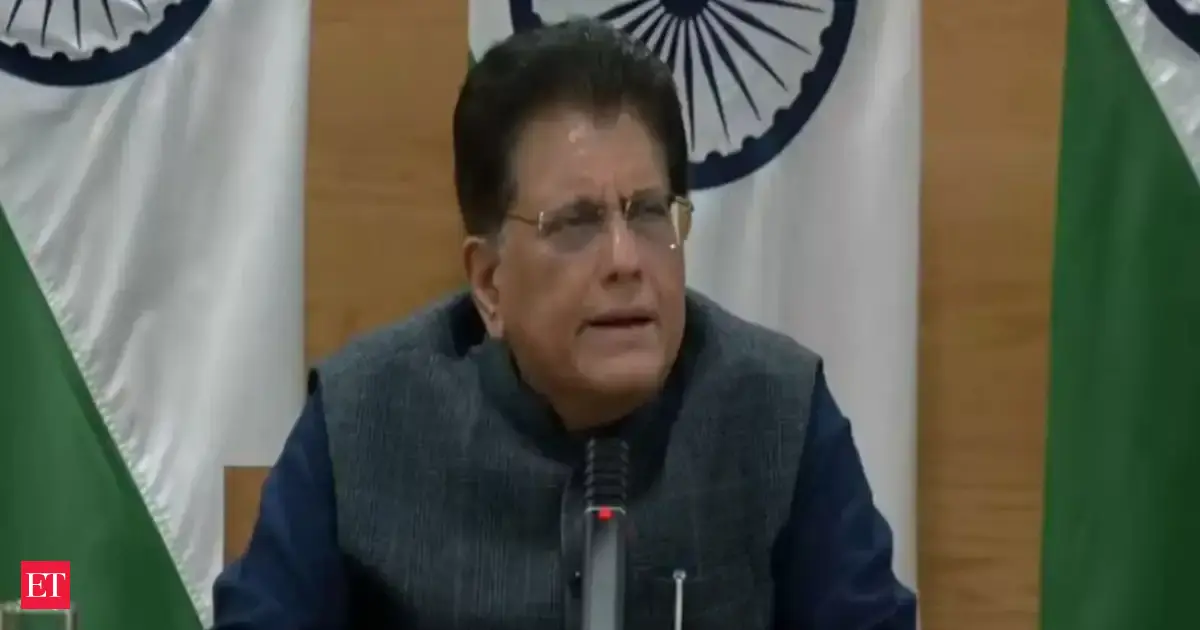
India will provide quota-led duty concessions on US Dried Distillers' Grains with Solubles (DDGS), a vital animal feed for its animal husbandry and poultry sectors. This move, announced by Minister Goyal, is part of a broader trade deal with the US, expected by mid-March. It signifies India's balanced approach to market opening, supporting economic growth and farmer exports, making it crucial for understanding trade policy and bilateral relations.
Revision structure
Monthly events and exam calendar context
Static GK and one-liner notes
Quiz and mock-test revision path
Key points
Exam-ready takeaways
DDGS is a highly nutritious animal feed, crucial for India's animal husbandry and poultry sectors.
The duty concession is part of a broader trade deal between India and the United States.
This comprehensive trade agreement is anticipated to be finalized and implemented by mid-March.
The announcement was made by Union Minister Piyush Goyal, highlighting India's balanced market opening strategy.
Detailed analysis
Full exam-oriented breakdown
The recent announcement by Union Minister Piyush Goyal regarding India's decision to offer quota-led duty concessions on Dried Distillers' Grains with Solubles (DDGS) imported from the United States marks a significant development in India-US bilateral trade relations. This move, part of a broader trade deal expected by mid-March, is poised to have multi-faceted implications for India's economy, particularly its burgeoning animal husbandry and poultry sectors. **Background Context and What Happened:** Dried Distillers' Grains with Solubles (DDGS) is a co-product of ethanol production from grains like corn. It is a highly nutritious, protein-rich animal feed ingredient, widely used in livestock, poultry, and aquaculture industries globally. For India, with its rapidly growing demand for milk, meat, and eggs, ensuring a consistent supply of high-quality and affordable animal feed is crucial. Currently, India's domestic feed industry relies heavily on oilseed meals (like soybean meal) and traditional grains. The US is a major global producer and exporter of DDGS. The 'quota-led duty concession' means that a specific quantity (quota) of US DDGS will be allowed to enter India at a reduced or zero customs duty, making it more competitive against domestic alternatives and imports from other sources. This decision comes after years of intricate trade negotiations between India and the US. While both nations have seen their strategic partnership deepen across various sectors, trade relations have often been fraught with disagreements over tariffs, market access, and intellectual property rights. The US has long sought greater market access for its agricultural products, including DDGS, dairy, and fruits, while India has emphasized protecting its domestic farmers and industries. The current agreement signifies a breakthrough, indicating a willingness from both sides to resolve long-standing trade irritants and foster a more predictable trade environment. **Key Stakeholders Involved:** * **Indian Government (Ministry of Commerce and Industry, Ministry of Animal Husbandry, Dairying & Fisheries):** As the primary negotiator, the Indian government aims to balance its strategic trade objectives with domestic agricultural and industrial interests. The Ministry of Animal Husbandry is keen on securing affordable, quality feed for its sectors, while Commerce seeks to enhance overall trade relations and potentially gain concessions for Indian exports. This decision reflects India's 'balanced market opening strategy'. * **US Government (Office of the United States Trade Representative - USTR, US Department of Agriculture - USDA):** The US government has consistently advocated for greater market access for its agricultural exports. This concession is a win for US farmers and DDGS producers, potentially increasing their export volumes to a lucrative Indian market. * **Indian Animal Husbandry and Poultry Sectors:** These are the direct beneficiaries. Cheaper, high-quality DDGS can significantly reduce feed costs, which constitute a major portion of their operational expenses. This could lead to increased profitability, better animal health, and potentially lower consumer prices for milk, meat, and eggs. * **Indian Farmers/Domestic Feed Producers:** While the DDGS import benefits livestock farmers, it might introduce competition for domestic producers of alternative feed ingredients, such as soybean meal or corn. The 'quota-led' nature of the concession aims to mitigate excessive disruption to the domestic market. **Significance for India and Historical Context:** This move is significant for several reasons. Economically, it promises to inject a cost-effective and nutritious feed ingredient into India's rapidly expanding animal protein production chain. This aligns with India's efforts to enhance food security and improve the nutritional status of its population. Politically, it represents a tangible step towards de-escalating trade tensions with the US and strengthening the broader strategic partnership. Historically, India-US trade relations have seen ups and downs. The US withdrew India's Generalized System of Preferences (GSP) benefits in 2019, impacting Indian exports. This new agreement signals a positive trajectory, potentially paving the way for the restoration of some trade benefits or a larger Free Trade Agreement (FTA) in the future. It also underscores India's commitment to multilateral trade frameworks, even while pursuing bilateral deals. **Future Implications and Related Constitutional Articles/Policies:** Looking ahead, this agreement could set a precedent for further market access negotiations across other sectors. It reflects India's pragmatic approach to global trade – leveraging imports to support domestic growth, even while promoting 'Make in India' and 'Atmanirbhar Bharat' initiatives. The success of this DDGS deal might encourage both nations to address other pending trade issues, such as tariffs on medical devices, IT products, and market access for Indian mangoes or grapes in the US. Constitutionally, the power to regulate foreign trade and enter into international agreements lies primarily with the Union Government. **Article 246** of the Indian Constitution, read with the Seventh Schedule (Union List, Entry 41: 'Trade and commerce with foreign countries; import and export across customs frontiers; customs'), empowers the Parliament to legislate on such matters. **Article 253** further enables Parliament to make laws for implementing any international treaty, agreement, or convention. The actual implementation of duty concessions would be governed by the **Customs Act, 1962**, and integrated into India's **Foreign Trade Policy (FTP)**, formulated under the **Foreign Trade (Development and Regulation) Act, 1992**. This policy framework allows the government to introduce measures like duty concessions or quotas to manage imports and exports, balancing domestic economic interests with international trade obligations, including those under the World Trade Organization (WTO). Furthermore, policies like the **National Livestock Mission (NLM)** underscore the government's commitment to the sustainable development of the livestock sector, for which quality feed is paramount. In essence, the DDGS deal is more than just a tariff reduction; it's a strategic move that reflects India's evolving trade policy, its commitment to strengthening bilateral ties with key partners like the US, and its pragmatic approach to economic growth and food security.
How to study
Turn news into exam marks
Revise monthly events by exam family instead of reading random updates.
Pair one-liners with mock tests so mistakes become the next revision list.
Keep state job pages, calendar pages and GK packs connected in one path.