

Angioplasty is a procedure to open blocked or narrowed arteries, often performed using a balloon-tipped catheter to widen the artery.
GK and monthly revision
All you need to know about: angioplasty
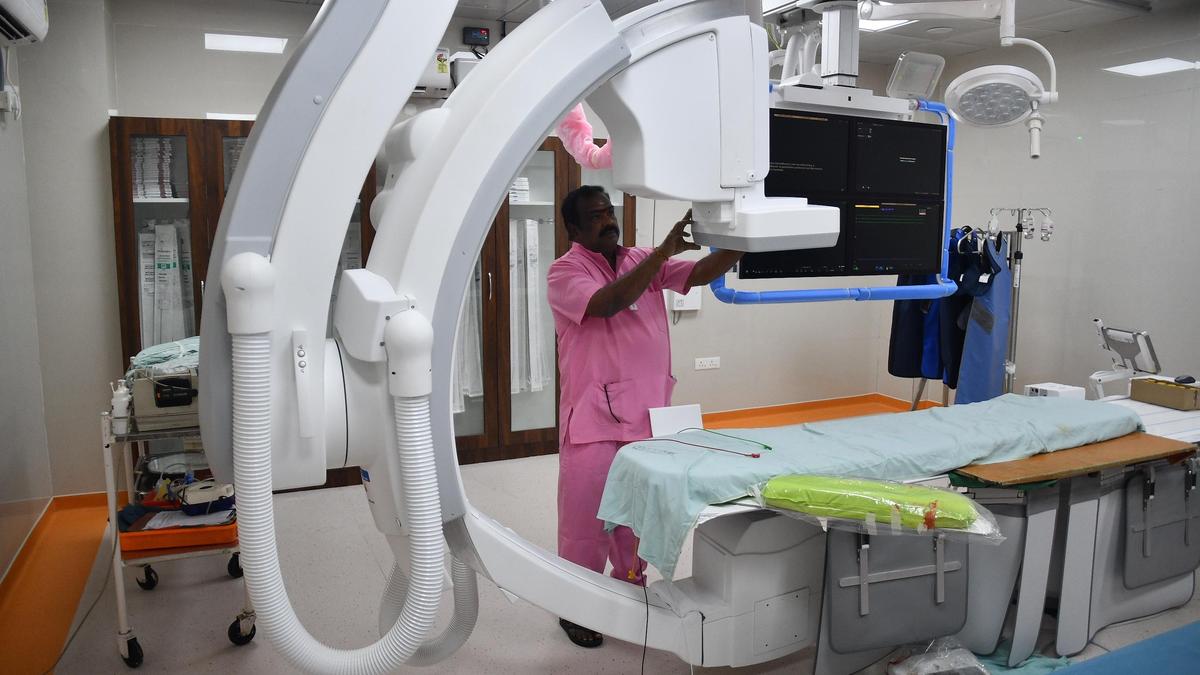
Angioplasty is a minimally invasive, non-surgical procedure performed primarily in arteries supplying oxygenated blood to the heart, neck, legs or kidneys. It is a crucial medical intervention that can improve blood flow and reduce the risk of heart attacks, strokes, and other cardiovascular complications. Understanding the basics of angioplasty is important for competitive exams, as it is a commonly tested topic in the medical and health domains.
Revision structure
Monthly events and exam calendar context
Static GK and one-liner notes
Quiz and mock-test revision path
Key points
Exam-ready takeaways
The procedure can be used to treat blockages in the arteries supplying blood to the heart (coronary arteries), neck (carotid arteries), legs (peripheral arteries), or kidneys (renal arteries).
During angioplasty, a small balloon-tipped catheter is inserted into the blocked artery and inflated to widen the artery and improve blood flow.
In some cases, a small mesh tube called a stent may be placed in the artery to help keep it open and prevent it from narrowing again.
Angioplasty is a minimally invasive procedure, meaning it does not require open-heart surgery, and is typically performed under local anesthesia.
How to study
Turn news into exam marks
Revise monthly events by exam family instead of reading random updates.
Pair one-liners with mock tests so mistakes become the next revision list.
Keep state job pages, calendar pages and GK packs connected in one path.